When it comes to training rookie operators, it doesn’t only take time, it can also be a risk. Not everyone is cut out to be an operator. It takes a special type of person to choose the lifestyle and master the skills.
When a contractor is ready to bring on a new operator, he has to trust his gut, provide ample training opportunities, and not get overly confident until he’s absolutely sure he can rely on the new operator’s skills and reactions.
AN ONGOING PROCESS
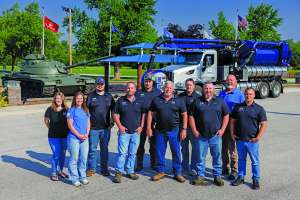
Don Schlomka, owner of Schlomka Vac Truck in Hastings, Minnesota, knows how important it is to train operators the right way from the beginning. Schlomka says he prefers to hire a rookie rather than someone who has done the job previously. “Breaking bad habits is tough,” Schlomka says. “Hiring guys who have never done it and training them the way I want them trained has worked great for me.”
Schlomka is there to answer questions and be a source for his employees, but he goes right to the dealer when it comes to any type of formal training. Because he has a good relationship with Vactor Manufacturing, they’re willing to come out for training whenever Schlomka requests, and he doesn’t shy away from asking.
New operators are always partnered up with veteran operators. When the experienced operator says the rookie is ready, the foreman or Schlomka himself will assess the rookie’s skills.
“There’s lots of checking. We shadow him, and once we see he’s capable and competent to run the truck, he’s on his own,” Schlomka says. “This process typically takes about 90 days, but it really depends on the person. Some might get there quicker, and others might take longer.”
With 33 employees, including eight operators, Schlomka knew safety had to take priority. Eight months ago, Schlomka hired a safety coordinator to ensure the crews are being safe and all standards are being met on job sites.
BEST PERSON FOR THE JOB
Kirk Cundiss, foreman of hydroexcavation services at Crossfire LLC in Colorado, also prefers to hire a rookie. By doing that, he feels it has made the company stronger.
“I feel we can outperform our competition,” Cundiss says. “We guarantee 40 hours a week and make sure our operators are trained correctly. You get more productive operators when you train them from the start.”
Cundiss is certain that training someone right from the beginning makes a difference, but his sentiment is not shared by everyone in the company. Curran Clark, an operator for Crossfire, says he prefers someone with experience.
“I do prefer someone with experience, but if someone is willing to learn, it could work out,” Clark says. “It really depends on the person. I’ve figured out how to read people pretty quickly, and I can usually tell if they’re going to make it or not.”
Training at Crossfire LLC is pretty technical and new operators aren’t sent out on their own for quite a bit of time. There’s a mentor program that typically lasts about six months. “Excavating is not just digging in the mud,” Clark says. “You have to have the heart for it. I’ve been doing this for 10 years, and it wears on you. I’ve seen some guys last half of a day, and you never hear from them again. This job is a love/hate relationship.”
Continue reading for free