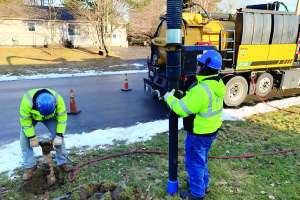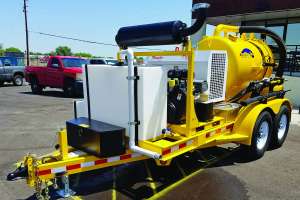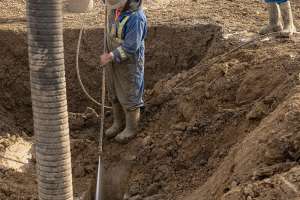

The hydroexcavation sector is a rapidly expanding and popular method of excavation. The ability to offer more accurate, secure and minimally intrusive excavation solutions than conventional methods is responsible for this rise. Likewise, the need has grown for qualified experts who can operate cutting-edge hydroexcavation equipment and handle the difficulties these projects bring.
It is critical to acknowledge the value and need of specific training and certification in this profession. They can ensure that operators understand safety procedures and regulatory compliance in addition to the technical facets of their job.
This emphasis on thorough training and certification programs underscores the hydroexcavation community’s dedication to quality and proactive professional growth, which is essential for upholding high standards of competence and safety in the sector.
UNDERSTANDING REQUIREMENTS
In the hydroexcavation industry, a commercial driver’s license with tanker endorsements is usually one of the first prerequisites that must be met. These credentials represent a thorough grasp of intricate technology and the safe transfer of materials, which is essential for hydroexcavation specialists’ daily work. They are not merely formalities; securing these certificates requires extensive training and testing, demonstrating a commitment to competence and safety.
The role of certifications extends beyond individual competency, serving as a cornerstone for industry-wide safety and regulatory compliance. They ensure all operators possess a minimum degree of expertise and proficiency, which is crucial in reducing the hazards connected to hydroexcavation operations. This methodical approach to certification strengthens the industry’s commitment to operational excellence and public safety by elevating safety measures and promoting a culture of continuous improvement and adherence to laws.
COMPREHENSIVE TRAINING PROGRAMS
In-depth training courses for the hydroexcavation sector include vital topics unique to the task, such crystalline silica awareness, which informs employees about the risks associated with silica dust and how to reduce their exposure.
Training in electrical safety, which focuses on averting mishaps when operating near live electrical sources, is similarly important.
These courses emphasize how important it is for professionals to keep learning new things in order to progress in their jobs. Employees may ensure they remain valued assets in this ever expanding profession by improving their skill sets and remaining up to date on the newest safety procedures and technology breakthroughs.
THE PATH TO CERTIFICATION
Hydroexcavation experts must complete a thorough certification process that begins with a foundational grasp of the sector and progresses toward specific knowledge and abilities.
Typically, aspiring operators start with basic safety and equipment handling classes before moving on to more specialized instruction including hydroexcavation methods and job-specific safety procedures. Exams are frequently administered by industry groups and certification agencies to assess candidates’ theoretical knowledge and practical abilities.
Professionals who complete their program successfully are required to recertify via ongoing education and training, which keeps them abreast of the most recent developments in technology, safety procedures and industry standards.
SAFETY FIRST
In hydroexcavation, safety training is essential for ensuring that personnel operate equipment properly and reduce dangers. Crucial courses include OSHA 10 and 30, which focus on detecting and minimizing workplace hazards, and fall protection training, which teaches how to lessen the risks connected with working at heights. These training sessions emphasize the significance of adopting a safety-first mindset and provide staff members with the knowledge and abilities required to maintain stringent safety regulations on all projects. This fundamental safety training is essential for fostering a safety culture in the business and is beneficial to both novice and seasoned workers.
LEVERAGING TECHNOLOGY
The efficacy of learning in hydroexcavation is improved by using technology into instruction. In order to prepare operators for complicated circumstances, simulations and virtual reality give hands-on training without the hazards of the actual world. Continuous learning is made possible by the flexibility offered by online courses. More realistic virtual reality simulations and flexible learning environments, as well as more individualized training plans and enhanced skill development for hydroexcavation methods and safety procedures, might be future developments.
EMPLOYER’S ROLE
Employers are essential to their workers’ professional growth, especially in specialized industries like hydroexcavation.
Companies that actively support training and certification initiatives help to raise industry standards while also improving labor skill sets. This assistance can come in a number of forms, such as financing certificates or granting access to training courses. One example is my California-based company, Devco, which offers a unique program targeting military personnel transitioning into civilian life. This SkillBridge program covers the costs of training and certification, equipping veterans to become proficient hydroexcavation operators.
Such initiatives underscore a commitment to excellence and safety in the field, demonstrating how companies can invest in the professional development of future and current operators. By supporting their professional development, these initiatives not only help to retain a highly qualified staff but also greatly increase employee retention.
ABOUT THE AUTHOR
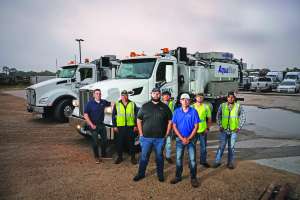
Chad Decker is the chief operating officer for California-based service company DEVCO Development & Engineering. To reach Chad, email editor@digdifferent.com.
Continue reading for free