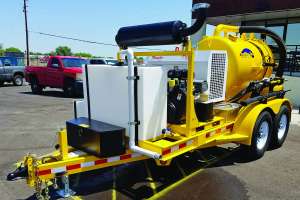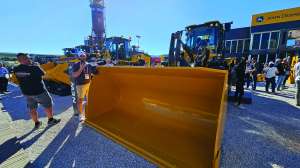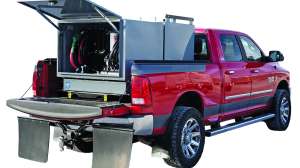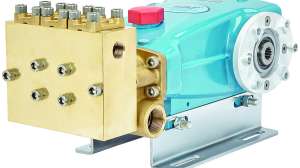
As vacuum trucks line a job site and crews daylight utilities, it’s easy to focus on the immediate win: safer digging, fewer strikes, less disruption. Vacuum excavation has earned that reputation. But as NCM Hydrovac has shown, the bigger conversation isn’t just about how you dig — it’s about what happens after the debris tank is full.
Across Ontario, excess soil rules have tightened. Slurry is tracked. Facilities are licensed. Enforcement is real. For many contractors, that shift has felt abrupt. For others, it’s been a signal that the industry is growing up.
NCM made a decision to lean into that reality instead of working around it.
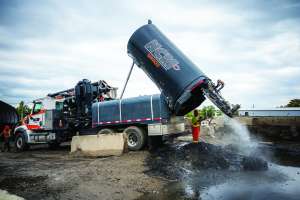
By investing in a new separation system and building out a licensed soil transfer station, the Ottawa contractor added both equipment and control. Slurry that once created bottlenecks and storage headaches can now be processed, with water reused and aggregates recovered for future jobs. It’s a more closed-loop approach, and it reflects something that is being seen across the utility construction space: more ownership, less outsourcing of responsibility.
UTILITY CONSTRUCTION HAS ALWAYS ADAPTED
When urban corridors got tighter, vacuum excavation was embraced. When surface disruption became a concern, directional drilling surged. When safety expectations rose, training and technology followed. Now environmental accountability is the next frontier.
And this isn’t only a vac truck issue.
Directional drilling contractors are watching drilling fluid management more closely. Opencut crews are navigating stricter soil documentation. Sewer and water teams are under pressure to demonstrate proper disposal. What used to be “byproduct” is now part of the main conversation.
That’s not a bad thing.
Infrastructure is expanding across North America. Aging water systems are being replaced. Fiber networks are going in. Energy corridors are being upgraded. With that growth comes volume — more digging, more fluid, more soil moved every day. The public sees the work happening in their neighborhoods. Regulators see the data. Communities expect stewardship.
Companies that treat waste management as a side task are going to feel squeezed. The ones that treat it as part of their core operation are positioning themselves for stability.
Vacuum excavation transformed how infrastructure is exposed. Directional drilling reshaped how it is installed. Now environmental performance is reshaping how what’s left behind is managed. The contractors who recognize that shift — and invest accordingly — are proactively reacting to regulations, and building resilience along the way.
YOUR COMPANY
What is your company doing to adapt to regulations or the broader industry? Email me at editor@digdifferent.com.
Enjoy this issue!
Continue reading for free