

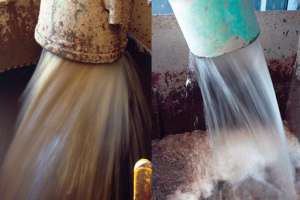
Scraper system enables mine to reuse water
Problem: Water recovery at a mine in northern Canada was practically impossible without clogging pumps, valves and related processing equipment due to the presence of large solids. Loading was extremely high, which made the use of manual basket strainers impractical due to very short cleaning intervals. The operator was seeking a solution that could handle large, irregularly sized solids and resist the damage from impact at high velocity inside the strainer during operation.
Solution: The mine installed two 12-inch Automatic Scraper Strainers from Acme Engineering Products, capable of handling up to 3,500 gpm of flow. The scraper keeps the screen clean using aggressive brushes that clean out the slots of the wedgewire screen. It uses line pressure to intermittently purge accumulated solids. Maintenance is infrequent and requires the simple replacement of the scraper blade and brush.
Result: The mine is successfully dewatering and reusing its filtered mine water and has more uptime as a result. Maintenance is also reduced on related equipment in the pumping system. 518/236-5659 www.acmeprod.com.
Site uses polymers to separate cuttings
Problem: A mine in Colorado continuously dealt with sloppy cuttings that filled the location pit too quickly, with poor fluid quality and high LGS returned to mud makeup. Zero cuttings discharge was the desired outcome.
Solution: Kemira Chemicals uses high-quality polymers to flocculate water-based drilling fluids, allowing the removal of low-gravity solids and other fines. It returns fluid to the drilling process for rebuilding drilling mud on location, or for disposal when the job is completed. It provides cuttings with a high solids content to meet zero discharge requirements on multi-well pads. It relies on polymeric coagulants and/or flocculants to agglomerate the solids, which are subsequently separated using mechanical devices such as centrifuges.
Result: The site was able to increase centrifuge solids from 21 to 58 percent with clean-water discharge across the variable mud conditions. Kemira worked with the location engineer to trim the treatment for a lower, but acceptable, level of solids going to the pit (40 to 45 percent). Instead of producing clean water at this point, beneficial solids were returned back to mud makeup, reducing the cost of both the treatment and makeup while allowing the location to still meet zero cuttings discharge requirements. Treatment was increased to meet disposal requirements at the end of the job. 770/436-1542; www.kemira.com.
Continue reading for free