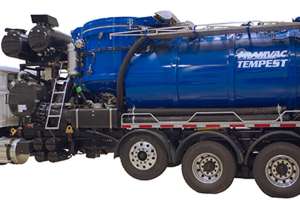
In the first quarter of 2013, more women than men entered the oil gas industry, according to data from the U.S. Bureau of Labor Statistics.
Every year since 1991, when the BLS began collecting data, more than a third of new hires in the industry have been women — until 2013. Women filled about 1,800 of the 3,900 positions added in the oil and gas sector last year.
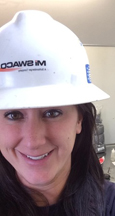
“It’s a boys club,” says Camille Raymond, a drilling fluid specialist for M-I SWACO, a Schlumberger Company.
She has been working in the Bakken Shale play for three years. Her job title is more commonly referred to as a mud engineer.
“It’s kind of cliquish until you can prove that you can do your job, especially when you’re new and they know you’re new. They can see it on your face.”
Many of the women who enter in the industry are not working on oil rigs, but rather in offices as technicians, geologists or engineers.
Mike Melillo, recruiting manager for Repsol USA, says the energy company sees many women with the necessary experience to work in the oilfields. “We’ve seen a lot of women apply for positions and they’re very, very qualified.”
Raymond found herself in the industry after working in an environmental lab for eight years. “I was kind of, I don’t want to say burned out, but there wasn’t a whole lot of variation in it,” she says.
After a friend told her about a mud engineer job in the oilfields, Raymond did some research and thought it would be a fit.
“I was kind of apprehensive about being a woman in the oilfield, so my friend put me in touch with a girl that is a mud engineer for our company and I talked to her about it and she sent my resume on up and that’s how I got here.”
Working in the industry can be a great opportunity, but there are challenges for women who enter a field that is still more than 80 percent male-dominated.
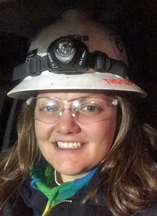
Amber Hunt, a field operator for Baker Hughes, can attest to those difficulties.
“My biggest challenge is the guys that don’t accept females, especially when you are new to the field and don’t know what anything is,” she says. “There were some (men) that are extremely rude, but once you prove yourself to them and you work hard, they lighten up on you.”
Hunt says many of her supervisors have said they respect her work in the oilfields. “They tell me all the time that they have a lot of respect for me because women have to work twice as hard as men out here and to a certain extent I think that’s true,” she says. “You really have to show them that you can do it.”
These women are evidence there will be continued opportunity in the oilfields. “The more women that get out there and do a good job, the better,” Raymond says. “If you can do your job, they’re happy to have you and I think that attitude has shifted over from what I’ve heard about the oilfields of the ‘80s when the only women out here were prostitutes.”
She says entering the oil industry has been one of the best decisions she’s made. “The schedule is great because I work two weeks on and then I’m off for two weeks, and the pay is great,” she says. “The opportunity is wonderful. I have met so many people and have visited so many places that I never expected to go.”
Raymond and Hunt agree that the oilfields haven’t changed them too much — and they haven’t lost their feminine sides.
“I like being a girl and on my days off I like getting pedicures and getting my hair done,” Raymond says. “You don’t lose yourself working around a bunch of guys — you don’t lose your femininity or your personality. You hear a lot about roughnecks, but most of them are gentlemen.”
Continue reading for free