Digging blind has long been an expensive gamble. With over 400,000 utility strikes reported annually in the U.S. alone — costing the economy an estimated $30 billion — the industry has historically relied on outdated maps and a healthy dose of luck. But a new partnership between RodRadar and Xwatch Safety Solutions is turning that gamble into a science.
By integrating RodRadar’s Live Dig Radar with Xwatch’s safety-grade hydraulic control, the two companies have unveiled the industry’s first “Stop-Before-Strike” system to automatically prevent disasters before they happens.
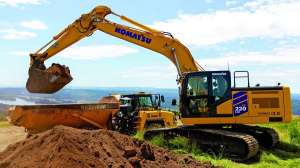
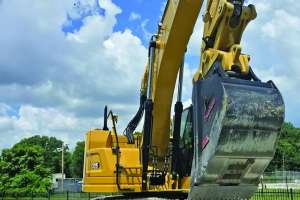
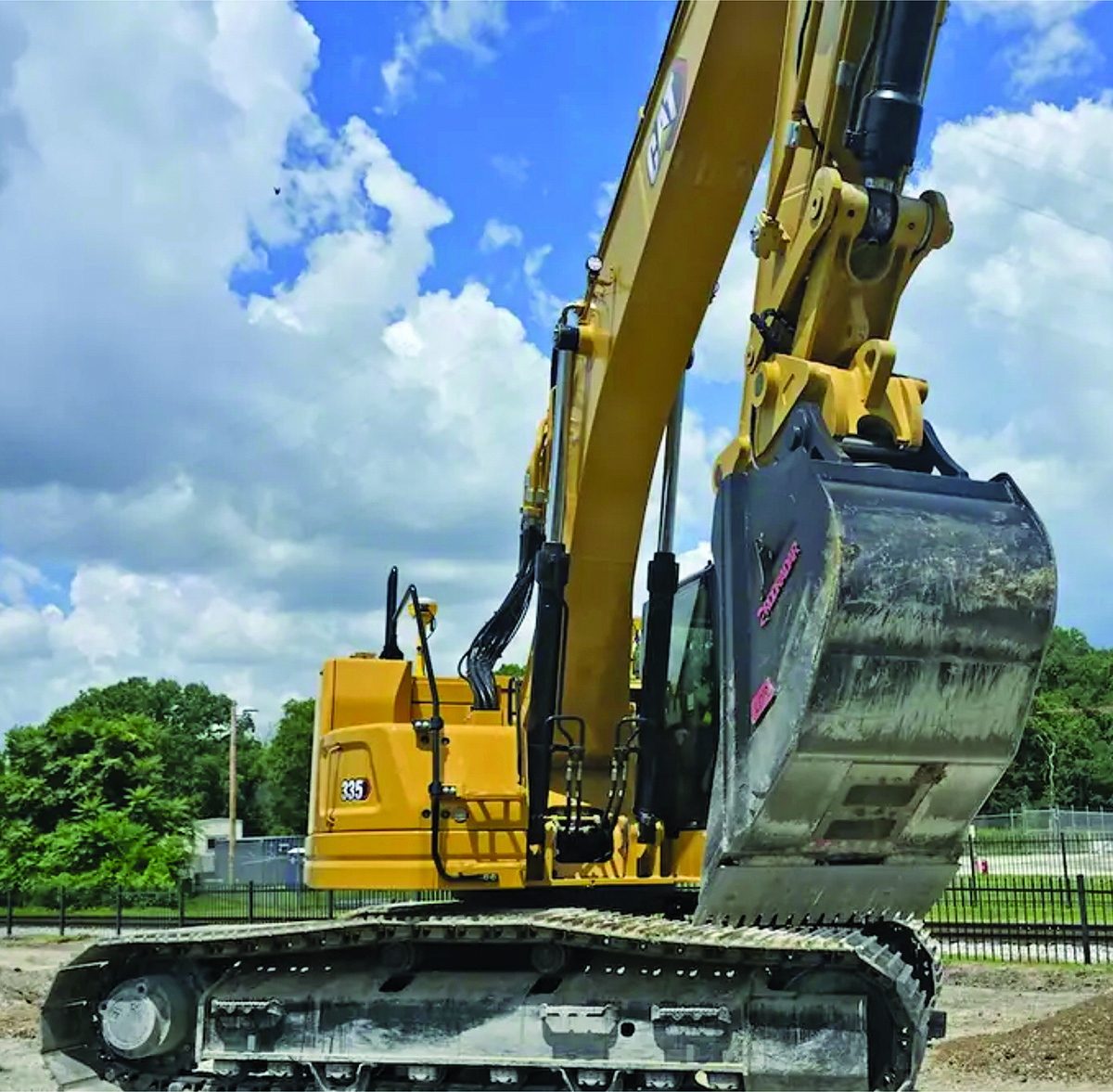
At the heart of this tech is LDR Excavate, the first-ever ground-penetrating radar embedded directly into the excavator’s digging bucket. Unlike traditional GPR, which requires a preproject sweep of the site, LDR scans the earth in real-time with every pass. It identifies everything from fiber optics and power lines to gas and water pipes, providing position and depth data for objects 5 to 40 inches below the current dig level. It’s designed to function across various substrates, providing a last line of defense where maps fail.
Where RodRadar provides the eyes, Xwatch provides the muscle. Historically, a radar hit would trigger a beep in the cab, leaving the operator a split second to react. The Xwatch integration changes the game by linking the radar’s AI directly to the excavator’s proportional hydraulic system.
“Xwatch’s proven track record in safety-grade hydraulic control makes them an ideal partner to bring our Zero-Strike vision to reality,” says Yuval Barnea, vice president of sales and marketing at RodRadar. “The integration further closes the safety gap, transforming LDR detections into automatic strike prevention and delivering the industry’s first-ever SBS solution. We envision this to be recommended and mandated by leading industry stakeholders, project owners and contractors.”
When the LDR sensor detects a utility, the Xwatch system triggers an automatic bucket stop. Using feather-touch technology, the machine performs a ramped slow-down and soft-stop, preventing the bounce or overshoot that can occur with abrupt halts. Beyond the obvious safety benefits, the business case is hard to ignore. According to Barnea, contractors using the LDR system have reported reducing utility strikes by over 60% with the hardware often paying for itself within just two months.
Continue reading for free