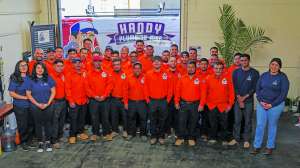

Ben Smith, owner of Marvel Sewer and Drain in the Minneapolis area, has made sure to put an emphasis on developing his employees’ skills.
“Shiny new tools alone don’t make you money,” Smith explains. “You have to put systems in place and get the right people around them. So many of us are good at the work we do but have a blind eye to everything else. It’s critically important to focus on both sides.”
For example, Smith hired a company called Power Selling Pros to coach his customer service representatives. He also hired a leadership training and coaching firm called Forward By Choice. Smith acted on a recommendation from his general manager, Trevor Armstrong, and invested in a program called EOS — short for Entrepreneurial Operating System.
The program offers simple concepts and practical tools for building effective teams, defining roles, improving accountability, developing a shared company vision and so forth.
“It was like the company changed from a teenager into a responsible young adult who pays rent, buys his own groceries and cooks his own meals,” Smith says.
Smith also had employees read a book called The E Myth: Why Most Small Businesses Don’t Work and What to Do About It, by Michael E. Berger. The book is made to order for most contractors, who often possess sound technical skills but few business management skills and no place to get help.
Many contractors suffer from what the book calls “entrepreneurial seizures” — the mindset that if people are good at a technical skill, then they’ll also understand what it takes to run a business centered on that technical work.
“For instance, I’m good at fixing sewers,” Smith says. “But I learned that fixing sewers is the easy part. It’s all the other things that are hard.”
Keeping employees trained well and on a constant path to self-improvement has been essential to the company’s success. The goal, Smith points out, is to keep surrounding himself with enough competent employees to the point where he’s no longer needed — a goal he says he’s largely met.
“If you hire the right people and treat them the way you’d like to be treated, you’ll have a happy team,” he says. “And a happy team will keep customers happy, too.”
Continue reading for free