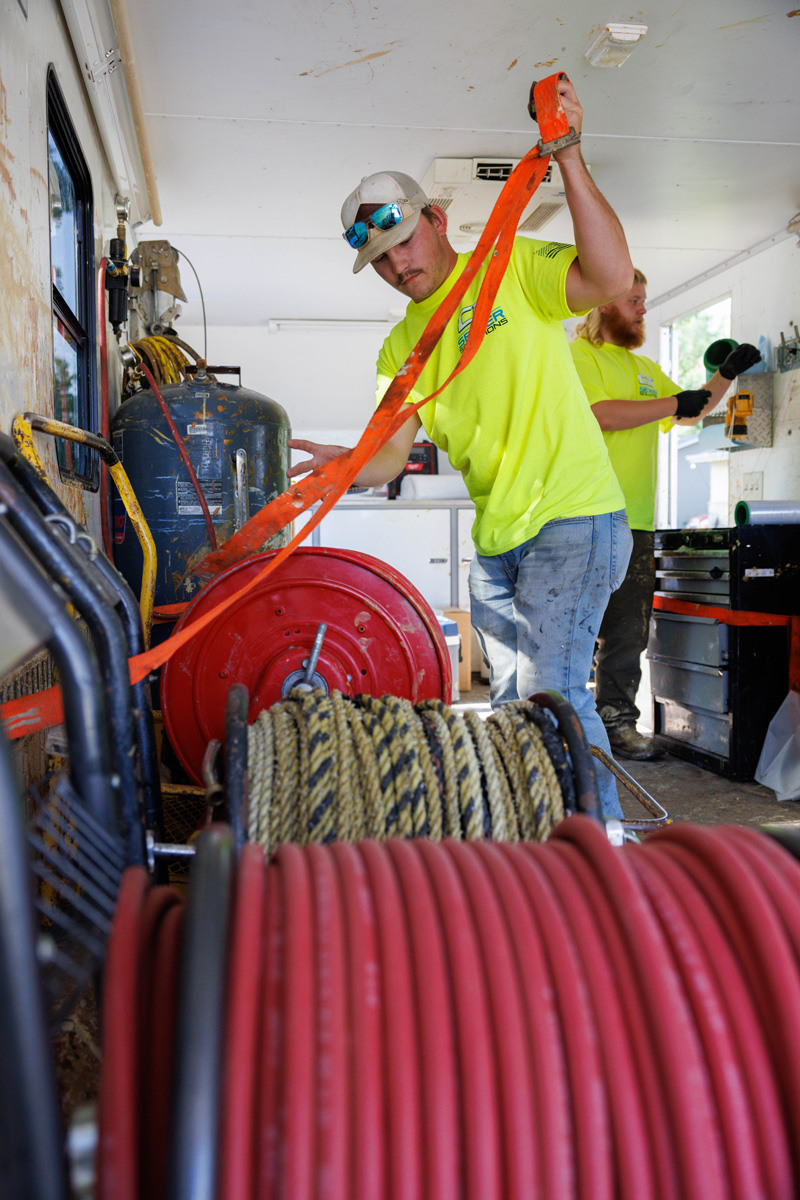
Whether it’s curing a new pipe inside an old one or hydraulically smashing a crumbling sewer line out of the way, trenchless tech is easily one of the fastest-growing and most lucrative sectors in the infrastructure industry. Pair those qualities with its ability to get results without the mess, and it’s easy to see why trenchless tech is quickly making traditional pipe repair a relic of the past.
For prospective trenchless technicians and greenhorns looking to get hired, trenchless pipe repair is where the gold is buried. But here's the kicker: Contractors operating multimillion-dollar lining rigs and high-definition CCTV camera trucks aren’t just looking for warm bodies with shovels. They want operators who understand the science, safety and precision behind trenchless pipe rehabilitation.
If you want to skip the line, command higher entry-level wages and make hiring managers fight over your resume, get certified in key trenchless methodologies. Here are the credentials that open doors in the trenchless industry:
1. Cured-in-place pipe lining credentials
CIPP is the reigning champ of trenchless rehabilitation. You essentially insert a resin-impregnated felt tube into a damaged pipe, expand it with steam or hot water, and bake a new jointless structural pipe inside the old one.
CIPP installation requires a mix of chemical understanding, pressure monitoring and precise boiler operation. Holding CIPP manufacturer certifications or completing specialized installer courses proves you will not turn a $50,000 resin liner into a hardened, useless blob inside a sewer line. Contractors are willing to pay a premium for techs who bring CIPP know-how to day one of a project.
2. NASSCO certifications: PACP/LACP/MACP
If you want to speak the universal language of pipeline assessment, you need NASSCO certification. The Pipeline Assessment Certification Program teaches you how to inspect, identify and code defects in gravity pipelines using CCTV cameras. Meanwhile, the Lateral Assessment and Manhole Assessment certification programs expand your expertise to coding service laterals and manhole structures.
Municipalities and engineering firms demand standardized NASSCO coding on every inspection video. If you can sit in a crawler truck and accurately code structural fractures, root intrusion or sagging pipe on the spot, you become an immediate asset to both field operations and office reporting.
3. Pipe bursting and microtunneling operator training
When lining is not an option because the old pipe has completely collapsed or needs a size upgrade, pipe bursting takes center stage. A hydraulic bursting head pulls a new HDPE pipe through the old one while shattering the host pipe into the surrounding soil.
Operating static and pneumatic bursting rigs takes mechanical finesse and strict adherence to underground utility safety. Demonstrating formal training in fusion welding (HDPE pipe joining) and bursting mechanics shows you can manage heavy pull forces without snapping lines or damaging adjacent utilities.
4. Confined-space and trenchless site safety
Working around pressurized steam lines, chemical resins, winches and deep launch pits means safety is nonnegotiable. Already having OSHA 10- or 30-hour training and confined-space entry certifications proves to superintendents that you respect and understand job site hazards.
Trenchless technology is revolutionizing the utility world, and the demand for skilled, certified technicians far outstrips the supply. You do not need a four-year engineering degree to make a fantastic living in this field. You just need the drive to learn, a solid work ethic and targeted certifications that prove your value.
Whether you pay for an entry-level course yourself or seek out forward-thinking contractors who sponsor certification pathways, putting these credentials on your resume turns "just looking for a job" into "building a high-paying, futureproof career."
Continue reading for free