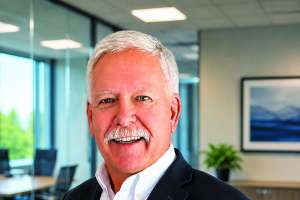


Brent Bossio wanted a challenge, but he wasn’t getting it working for someone else’s hydroexcavation company. He wanted to move his career farther and faster.
“I knew I was better and I knew I could benefit by doing it for myself instead of somebody else,” Bossio says.
In 2013, Bossio put his plan into motion, leaving his employer and starting his own company in the same area. He started off with one rental truck and just himself and a friend.
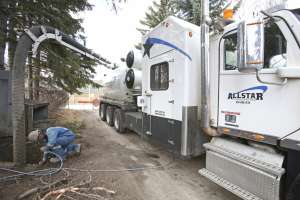
A little more than two years after starting Allstar Hydrovacing, based in Calgary, Alberta, Bossio now owns three Tornado hydroexcavators and is looking to buy a fourth in the near future.
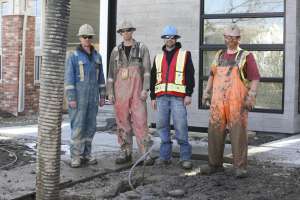
With its fleet and a crew of five operators all with 10 or more years’ experience, the company has plenty of work.
“I’m busy all year round,” Bossio says. The company does daylighting, trenching and cleaning of sewers and homeowner’s cellars. “We’ll pretty much do anything. Anything that can be sucked up, we can do.”
A quick start
Bossio bought his first truck in June 2013 and put it to work immediately, working the Calgary floods. “I was rolling into Calgary with my truck and that was the day Calgary flooded out. I went straight to work and was working around the clock.”
The Bow and Elbow rivers in Calgary flooded on June 21 due to torrential rains, forcing about 75,000 residents out of their homes. Water also seeped into the Saddledome, the city’s National Hockey League arena, and swamped the grounds of the Calgary Stampede.
Bossio worked the first 36 hours straight, taking just a couple hours to sleep. He repeated that schedule until floodwaters receded. “We had to help suck up a lot of that water,” Bossio says. “We were cleaning out buildings that were filled with water and silt. We sucked them out and then washed them all down. It was everything from schools and churches to houses and skyscrapers downtown.”
Most of the water was released back onto the road, since there was nowhere else to dump it.
Most of the residents returned to their homes June 23-24. Many communities declared a state of emergency to help with cleanup and repair costs.
Building the fleet
Business never slowed down after the floods.
“It was just never ending from there and it just kept escalating,” Bossio says. “I’ve been in the industry so long that I know so many people. Everybody gave me an opportunity, and I’ve succeeded and lived up to the expectations I had for my company.”
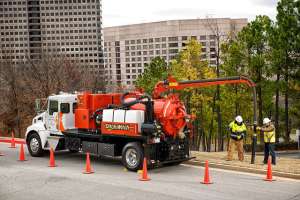
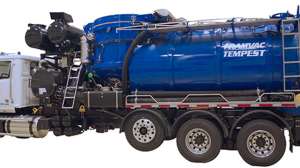
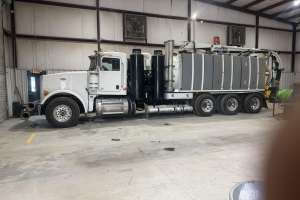
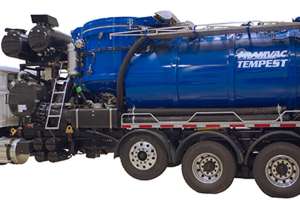
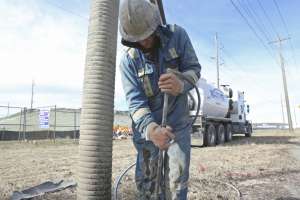
Bossio’s first truck was a Tornado hydroexcavator and he has since added two more. Their quiet operation and big boom are two key features.
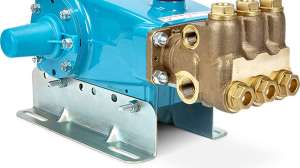
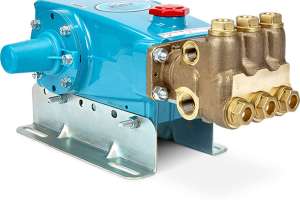
The trucks are all F4 models with 13-cubic-yard debris capacity, 2,366-gallon water capacity and 27-inch Hg/5,400 cfm blowers. The booms are 8-inch TopGun and the trucks have Cat triplex water pumps and Hotsy boilers. The trucks are built on Western Star chassis.
The company also uses different wand heads, all made by Tornado. “There are certain regulations in Canada and requirements from companies that we have to follow,” Bossio says. “The gas utility requires that we use the oscillating wand heads and then we have three shooters because some companies want that. Then there’s the wide-open for when there is nothing in the way.”
Keeping good employees
As the fleet has grown, the company has added operators. There are now six, including Bossio, who requires operators to have at least 10 years’ experience before he will hire them.
“You won’t get a job with me if you don’t have 10 years of doing it,” Bossio says. “You need to have people who understand how it works. If you hire someone who hasn’t been in the industry and then try to explain to them what needs to be done, it’s hard.”
Bossio takes care of his employees, paying them $10 more than competitors and helping them with other expenses. “If you want good employees you have to be good to them,” Bossio says. “I do a lot for my men because I learned the hard way with my old job. I didn’t get paid very well for all the experience I had.”
Bossio also makes it a point to work alongside his team members, getting dirty just like they do. “I’m always around my men, I mentor my men,” Bossio says. “I’m always there on the job with them and I see what’s going on. That’s how I keep them around. You have to respect them.”
Growing, but not too fast
Bossio wants to see his company continue to grow, but not too fast.
“I’m going to grow and grow, but there is a limitation on where you have to stop because if you get too big you start getting into problems with operators,” Bossio says. “You won’t find the quality of operators you want if you get too big.”
Allstar Hydrovacing will also continue taking care of any job clients have in store, including non-digging jobs. Last March, the local TV station told a crew to keep their truck running for about an hour to see if the station’s new soundproof wall would work. It did.
“It’s jobs like that and regular hydroexcavating jobs that we will always do,” Bossio says. “We don’t mind getting dirty and we all love what we are doing.”
Smaller companies like Allstar Hydrovacing tend to stick to their own territories, but will help each other if it means they can tackle a large job. Read more about how these Calgary-area businesses have banded together in, "Hydroexcavation Companies Come Together To Help Each Other."
Continue reading for free