Mississippi-based Chain Electric Company knows firsthand how important it is to secure your equipment, no matter where you might be.
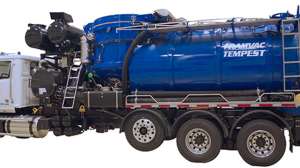
The contractor was doing work last week near Jackson, Mississippi, and had to spend a night at a hotel in order to continue work the next day. He parked his 2003 International 4300 truck with a 9-foot trailer carrying a large-capacity water tank and a Ditch Witch directional drill in the hotel’s parking lot and went inside to rest.
He stepped outside later in the evening only to find all of it gone. It was reported missing at 9 p.m. on Oct. 13. According to Jackson police captain Brian McGairty, the contractor had hid the keys in an exterior compartment on the truck.
The Ditch Witch was found the morning of Oct. 14 pulled off the trailer in another area of town, while the truck was recovered along a state highway nearby, but the trailer is still reported as missing. It was not known if there was any damage done to the directional drill or the truck.
TAKING PRECAUTIONS
Thefts can occur anytime, but there are things contractors can do to help prevent them and other break-ins.
On average, the cost of a stolen equipment item averages $17,400, according to a study by the National Insurance Crime Bureau (NICB) and National Equipment Register (NER). Each month, the National Crime Information Center receives anywhere from 600 to 1,200 reports of equipment theft, which generally peaks between April and August.
Here eight simple tips that can be done to help prevent these crimes:
- Know what drives construction theft — Equipment theft is driven by easy access and resale value. Any piece of equipment that has a lucrative brand name, is relatively new, and can easily be loaded or driven off could be considered an easy target for theft at any given work site. In the case of the stolen directional drill, the contractor left the keys in the truck and it was a new 2014 year model directional drill.
- Make the equipment recognizable — With work site equipment, you’re not required to have registration or titles, but why not put some labels or other identifiable stickers on it to show that the equipment is yours? It’ll be easier to locate if it is taken and it could deter thefts.
- Keep records of the equipment — Keep track of your equipment — all of it. Record the serial numbers, the model numbers, make sure you have a record of the purchase dates of each unit or component part as well and keep it all on file at your house or at the office for easy access if you need to report it stolen. It also might not be a bad idea to get a photo of each piece of equipment in your fleet.
- Keep a tab on trends — Did you know that in the Northeast U.S., the most frequently targeted work site thefts include tractors, skid-steers and snow-removal wheel loaders? In the western portion of the country it’s backhoes. Keep tabs on what is happening in your area, both with what is being stolen and if there is an increase in thefts in your area.
- Secure the fleet — If you are parking your equipment at your fleet yard, you may want to look at fencing it in if it isn’t already. That will help stop a lot of theft. If you don’t have cameras, lights or motion sensors at your fleet yard, these items all could be solid investments to prevent theft or damage to equipment also.
- Find a safe location — If you are out on a job site and you have to stay at a hotel, reach out to other area contractors and find out if you can park your equipment in their secure yard for the night. Most contractors are accommodating and willing to help. Why leave it in an unprotected parking lot when you might have a secure location to store it instead. Or if you are going to be out on a job site for an extended period, think about renting a storage garage to house the equipment while you are in town.
- GPS tracking software — Look into getting fleet-tracking software for your equipment. If it is stolen, you might be able to find it faster and lead the authorities to the thief.
- Inform employees — Make sure your employees are staying alert. They should report anything that seems out of place or something suspicious. They can be the first line of defense in preventing theft.
REPORTING THE CRIME
If your equipment is stolen, report it to the police immediately. Belated reports of stolen equipment are the primary reason why so few items are ever recovered.
The faster you report the theft of one of your pieces of equipment, the more likely it could be recovered.
Continue reading for free