You could be the type of person who is especially diligent about maintaining their equipment. But when it comes to pipe bursting tools, good maintenance practices aren’t enough to avoid an equipment breakdown out in the field. Thorough pre-job planning is also vital.
“The biggest thing is knowing what your project is, knowing what is in the ground,” says Ryan Ley, service manager for HammerHead Trenchless Equipment.
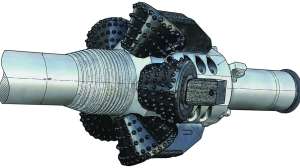
Soil conditions, pipe material, and how exactly that old pipe is configured all play a role in what types of pipe bursting tools to use and how to keep those tools serviceable.
“Is the line you’re bursting straight? Does it have any mechanical bends in it — 22s or 45s? Are there repair sections, and if so, what kind of clamps are in there?” Ley says. “Depending on if there are clamps or repair sections, or even valves if it’s a waterline, if you’re just running a standard non-fracturable pipe blade setup, you could potentially damage your tooling because it won’t be strong enough to break through. You’re going to have to run a specialized slitter. Or if a line has a bend in it, you have to make sure you’re digging up that spot or potholing it out so you can have a nice radius for the burst.”
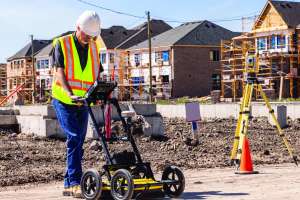
A camera inspection is a good place to begin the planning process.
“As you go through with a video inspection, you can often see where there are repair sections or replacements or a change in materials. At that point you would want to ask questions of the people who have knowledge of that system,” says Brian Kelly, owner of Pow-r Mole.
For example, he says, at one time workers would sometimes finish off pipe repairs by dumping concrete in the pit to ensure the repaired section didn’t move.
“If you come to a slab of concrete, in most cases that’s going to stop any bursting process,” Kelly says. “If you come to an immovable object and pull and pull, obviously something has to give. You could either stall completely or, if you have a slightly compromised cable, you could pull until you overstretch it and break the cable.”
If you know where such an issue is ahead of time, you can stop the burst immediately and dig at that point to resolve it, he says.
“Then you can continue on with the burst in a small excavation pit rather than doing damage to your equipment and creating a dangerous situation for your workers.”
Soil conditions are a factor too. Though not potentially damaging to equipment in the way that pipe materials could be, it can greatly affect the profitability of a job, Kelly says.
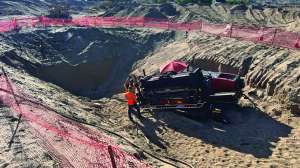
“More compact soils will need a bit larger bursting machine as far as static force than you would need with a standard soil,” he says. “So if you have a lot of shells or rock, you may need a larger piece of equipment than you’re normally accustomed to for that diameter of pipe and material. And then very soft conditions, like running sands, are also going to pose problems that can hurt profitability if you don’t have a good strategy for digging and maintaining pits.”
For more information on pipe bursting tool maintenance, check out the January/February Machine Shop feature.