
The city of Flint, Michigan, is in its second year of an effort to completely purge its distribution system of lead service lines, prompted by the city’s water crisis of a few years ago.
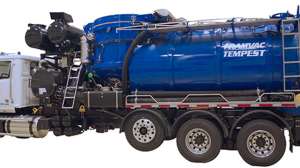
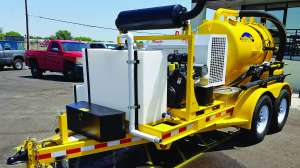
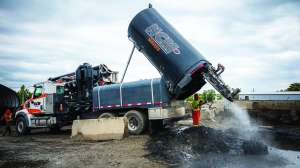
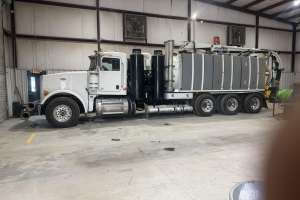
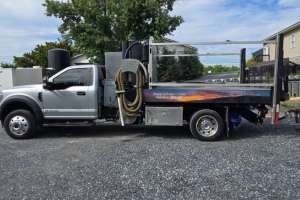
A key tool in the lead pipe replacement program has been hydroexcavation. Contractors have been using the method to locate buried service lines to determine their material makeup. Hydroexcavation is proving especially critical this year, as workers are targeting an area of Flint where American Indian ancestral remains have been found in the past.
Last year, work in this archaeological zone was put off due to the potential for disturbing burial sites. But work in the area is happening this year, with the help of hydroexcavation and some special conditions.
“The short-term, minor construction impacts are outweighed by the improvements to Flint’s water distribution system and the reduced threat to public health,” read a Michigan Department of Environmental Quality report from February that granted preliminary approval to the work.
Conditions include having a professional archaeologist on site to monitor the work and slowing the hydroexcavation process so that the archaeologist can better see the hole as it progresses in order to identify any cultural or human remains that may become exposed. Should that happen, there’s a standard operating procedure to follow, according to Dean Anderson, a state archaeologist with the Michigan Historic Preservation Office.
“Clearly we know there were human remains found in that area,” Anderson tells the Flint Journal. “It is so hard to know (if any additional remains will be found).”
Source: Flint Journal
Continue reading for free