March is already here. Hopefully the cold weather is starting to make its way out where you are, and the snow cover is starting to diminish.
With the weather change comes a new construction season. It’s time to get those hydroexcavators digging again and time to start locating utility lines before those big projects begin.
The busy time of the year — summer — is coming up fast and you’re all ready to go, right? Are you sure?
Get the fleet in shape
This is the time to check over the equipment that’s been stored over the long winter months. Check over those trenchers and make sure everything is running smoothly. Get your tunneling machine ready to dig. Make sure your hydroexcavator is operating at peak efficiency.
What do you check on a hydroexcavator? A good place to start would be the blower and bag filters. Industry experts give you some tips on what to look for in our Machine Shop feature this month. They’ll go over when to do specific maintenance on each component and some warning signs to look out for as you operate the vehicles.
Keep your team safe
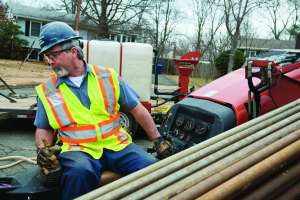
OK, so you’ve checked over your vehicles and they all look good. This is also a great time to meet with your staff for some safety refreshers. Many of your crews are out there working with electric utilities, gas lines and other hazards on a daily basis.
Set up a meeting with your crews about what hazards to look for at work sites and how to avoid them.
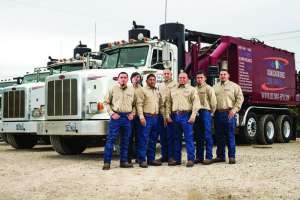
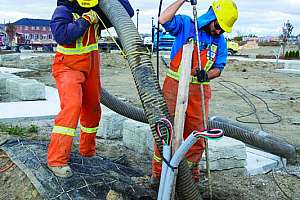
Ontario Excavac — profiled this month — makes each of its employees go through extensive orientation and training before they step foot on a hydroexcavator. Crews are gathered every quarter for training sessions to keep them updated on new procedures.
Owner Barry Wood says it’s important for his crews to know about safety as the company works closely with one of the largest gas utilities in the Greater Toronto Area.
Take care on the roadways
Vehicles inspected? Check. Crews refreshed on safety? Check. Now it’s time to get to work on that busy highway where you’ll be installing belowground utilities.
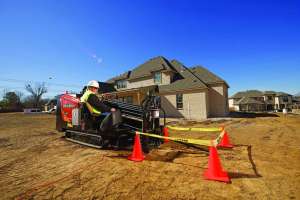
This would be a good time to make sure you have all the equipment you need to work on roadsides safely: orange cones, barricades and maybe even flaggers.
Roadside safety can easily be overlooked, but it shouldn’t be. The Bureau of Labor Statistics reports that there were 105 worker fatalities at road construction sites in 2013, while in 2012 there were 133 fatalities reported. According to the U.S. Department of Transportation Federal Highway Administration there is one work zone injury every 14 minutes (96 a day), or about four people injured every hour.
Our Safety First feature looks at ways to make sure you are ready for your roadside work sites and know what you need to do to keep everyone safe — including passing motorists.
Let's hear from you
So, now that you’ve been thinking about how to keep your crews safe and having your vehicles ready for the new season, how about looking back over your business career? One item always interesting to contractors: tough challenges and how they were met. What has been the most difficult work site you’ve been called out to? What made it difficult and how were you able to solve the problem? Share your stories with others who “dig different” by sending me an email at editor@digdifferent.com.
Enjoy this issue of Dig Different and remember, think outside the bucket!
Continue reading for free