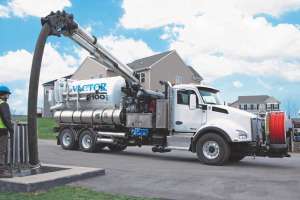
In directional drilling, most of the focus is put on the drill, but if you want to eliminate downtime on drilling sites, fluid handling systems cannot be ignored.
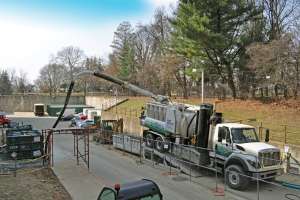
The two main pieces of equipment in this category are fluid mixers and reclaimers. Each has its own tips and tricks, which we have highlighted here.
1. Don’t forget the basics
As with most heavy equipment, one of the major components of fluid handling systems is a gas or diesel engine, so regular engine maintenance is important. Operators should check engine oil and oil filter daily, along with any manufacturer-specified maintenance intervals.
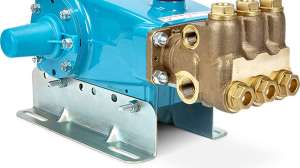
In addition, another common component is the pump. All this machinery incorporates pumps — on the mixers, usually a centrifugal pump, which comes with its own specific challenges.
“The centrifugal pumps have impellers that move the fluid, and as those impellers wear, you could lose head pressure at your hydrocyclones, and when you lose head pressure, the hydrocyclones lose their cleaning capacity,” says David Gift, Vermeer engineering manager. “Monitoring that head pressure and performing the maintenance as needed on those centrifugal pumps is key.”
Most of the systems are trailer-mounted or self-contained, roadworthy units. “It is a roadworthy item, so making sure your Department of Transportation requirements are met, with lighting and signage — air brakes, air suspension systems, etc.,” Gift says.
Learn your area’s DOT requirements, and follow manufacturer recommendations for trailer units.
2. Cleaner is better
Drilling is a messy business, but cleaning up after each job isn’t just good for your mental state, it’s important for your equipment.
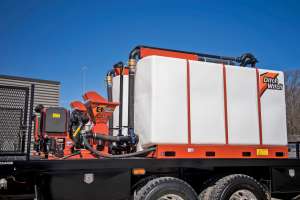
Mixers and reclaimers have tanks and hoppers with a variety of material cycling through them. Keeping them clean between jobs prevents cross-contamination in your fluid, and perhaps more importantly, prevents rust and other effects that can limit the life of your equipment.
“After each job, there could be a tendency of solids settling out in the tanks,” Gift says. “It’s critical that those solids get removed from those tanks.”
There’s also a possibility of algae growing in the tanks if water is left to stagnate. For the mixers specifically, moisture buildup in the dry hopper can cause serious clogging, resulting in downtime on the job.
“We use a hopper design where you introduce the material into the water, and that’s where the mixing process begins. The main thing with that is keeping it clean and dry,” says Cory Maker, Ditch Witch product manager. “Essentially what causes downtime, if you get moisture buildup in there or the product gets wet as you’re putting it in there or if you try to feed it too fast, it’ll wind up clogging itself, and you’re sitting there for a couple hours trying to get it cleaned to where you can get it functional.”
3. Cold weather kills
According to Ditch Witch, cold weather isn’t just a concern in the northern U.S., but it can even cause problems down south. “Cold weather, I mean we still have that problem from Canada all the way down to Texas, because it gets cold enough in the wintertime to freeze up,” Maker says.
The easiest way to prevent freezing is just to keep your tanks empty whenever possible. When it’s not possible, circulate the pumps as much as necessary.
“When guys are driving up to job sites, once they already have that tank full and everything, it’s essentially keeping that pump circulating. That way it doesn’t have an opportunity to freeze up,” Maker says.
After that, it comes down to cold weather storage, where the tanks should be drained, and all valves — fluid system valves and drain valve on the pump — should be left open.
4. Do it for the drills
Fluid handling systems increase drilling efficiency, but if you’re not careful, they have the potential to cause problems with the drills themselves. Mixing systems allow for the perfect concoction of drilling fluid — but the variability of the machine also requires diligence.
“There are a lot of options out there. A lot of it’s ground-dependent, what you use,” Maker says. “From our standpoint, we always approach it the same way, we still do the same viscosity, density, pH and sand content testing. We do a lot of that testing for performance, as well as longevity of the system as far as the drill rig goes.”
In today’s high-tech environment, the possibilities for different fluid additives and products are endless. Making sure you have the right mix is important not just for the efficiency of a specific job, but making sure your drill lasts as long as it can.
Ditch Witch has a free Fluid Formulator tool on their website (apps2.ditchwitch.com/fluidformulator) that will tell you the exact fluid specifications for your job based on the parameters.
For the reclaiming end of the drilling process, not keeping a close eye can also have detrimental effects on the drilling system. Possibly the most important part of a reclaimer is the shaker deck, where a number of screens ensure that spoils aren’t reintroduced into the drill.
“On reclaimers, it’s really about screen maintenance: Keeping your screens washed, observing the condition of the screens, and if there’s holes in them, then those screens need to be replaced because your contaminates are going right back into your tanks,” Gift says.
Screens should be checked continually. It depends on the material you’re going through, but it’s not uncommon to go through multiple screens in a single job.
“Because they are under vibration and because there are abrasive materials like sand moving across them, they do wear out. So that’s probably the single biggest wear item,” says Adam Bates, Vermeer product manager.
THE BIG PICTURE
Directional drilling is a high-stakes, high-stress environment, and anything that can be done to ensure the job goes smoothly is effort well-spent. That’s why fluid handling systems, and making sure those systems are operating at peak efficiency, is an important consideration for any contractor.