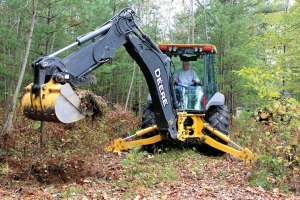
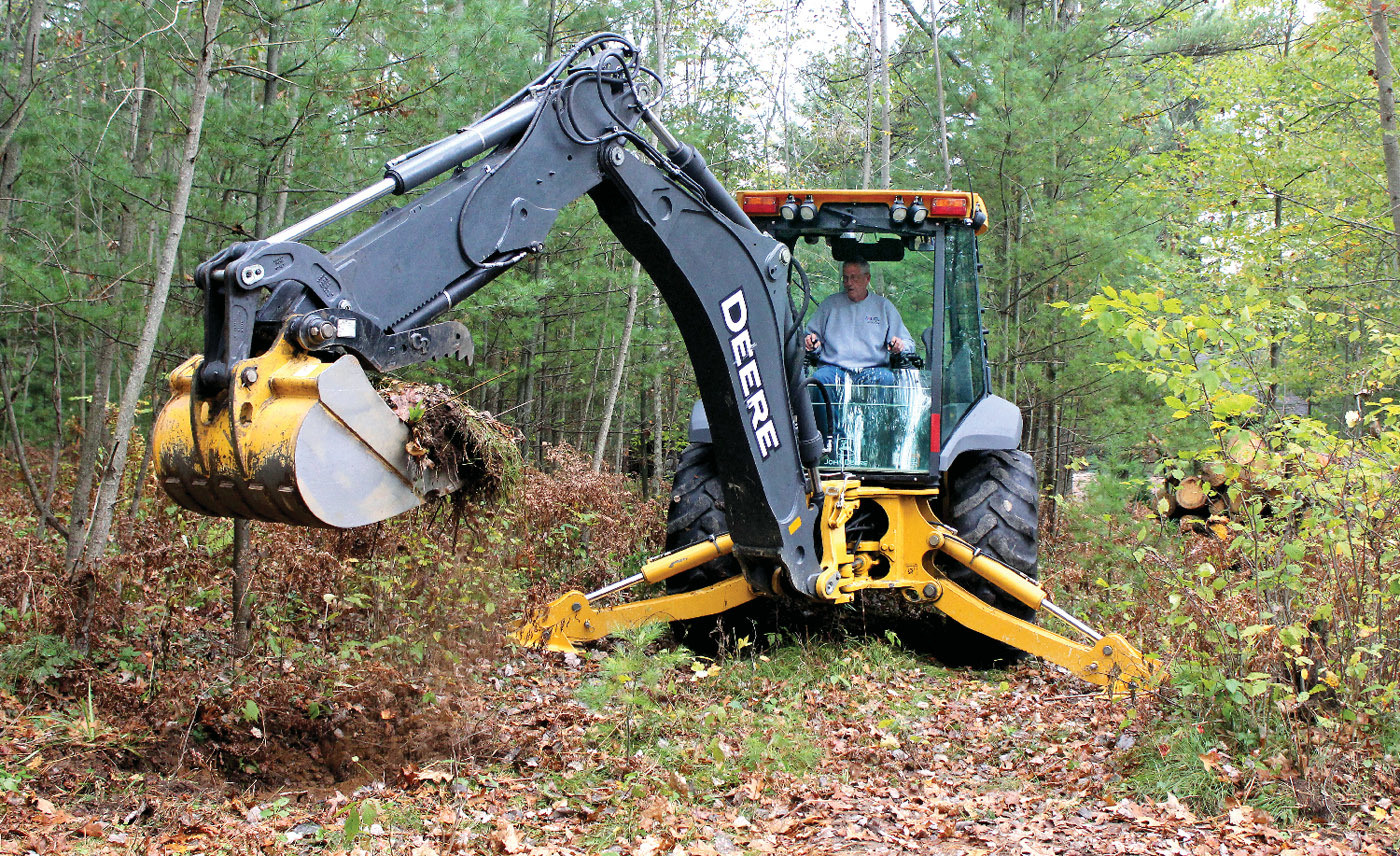
As a workhorse staple at most construction sites, backhoe loaders are adaptable machines that are frequently subjected to excessive wear and tear, dust, crud, harsh environments and extreme conditions.
Because of the rigorous demands placed on these dig-and-load machines, they require close attention to routine preventive maintenance to help extend the life of the components and optimize uptime.
The following five tips will help create a solid backhoe preventive maintenance program that can ensure job site safety and productivity.
1. Perform Daily Inspections
Good preventive maintenance takes just a few minutes each day to keep this hardworking machine in top condition. Steven Oetzel, product consultant of backhoe loaders at John Deere Construction & Forestry in Dubuque, Iowa, says operators should, “give the machine a walkaround every morning before digging to check fluids, look for leaks, inspect the cooling system, hoses, belts and sidewalls, and examine the loader arms and other high-use areas of the machine that are heavily stressed.”
At the end of the day, also clean off excess dirt and debris so it doesn’t harden or clog the equipment. When performing daily inspections, little details can also make a big difference.
“Contractors may forget about the small issues that can turn into big problems by not fixing them immediately, like a small oil leak that is slowly dripping or regularly checking tire pressure, which is important for machine traction, stability and ride performance,” Oetzel says.
2. Grease Critical Parts
Backhoes are joint-intensive machines with many pivot points, so it’s essential to use high-quality grease. Routinely inspect the bucket, loader arm, bushings, pins, joints and pivot points by listening for grinding sounds or other noises and grease as needed or according to the manufacturer’s recommendations. Avoid excessive grease, which can attract dust and dirt to collect in joints and cause preventable wear and tear.
3. Inspect Hydraulic Hoses
Hose ruptures are one of the most common causes of machine downtime. Hydraulic hoses can catch on any obstruction while in use, so it’s important to inspect hoses regularly to ensure that they’re not damaged and are properly secured.
4. Check Fluids and Filters
Engine and transmission oils, coolants and hydraulic fluids are the machine’s lifeblood. Without proper fluid management, there is likely unnecessary internal wear occurring that can shorten the equipment’s life span and put it at increased risk for repairs. Inspect fluids, and top or change them when needed. Always follow the manufacturer’s oil viscosity grade, and pay close attention to storage instructions for diesel fluids to protect them against contamination, evaporation and extreme temperatures.
Additionally, air filter maintenance is a must because backhoe loaders operate in dirty environments. Check them weekly or as recommended by the manufacturer. If the machine is equipped with an air restriction gauge, use it to avoid opening the filter and exposing the intake tract to dirt; however, if there is no air restriction gauge, the filter should still be inspected manually.
5. Know Who to Call
To keep equipment in top operating condition, Oetzel recommends following the suggested routine maintenance guidelines outlined in the operator’s manual. But when equipment repairs like an engine overhaul, transmission work or rebuilding a hydraulic pump are too big for an in-house service technician, he suggests contacting the dealer for service and parts.
New technology helps extend the life of heavy equipment
Today’s telematics technology — the long-distance transmission of computerized information — is playing a significant role in helping extend the life of heavy equipment.
These systems capture detailed machine information, such as its location, performance, utilization, operating hours, efficiency, equipment activity, and fuel consumption and make it accessible to machine owners via their web-enabled mobile devices or computers, either in real time or via periodic summary reports.
Some systems can also help prevent theft and recover stolen assets.
“Telematic systems like JDLink have become an important operational and maintenance tool because they connect owners and managers to their equipment and alert them about scheduled maintenance requirements,” says Steven Oetzel, product consultant of backhoe loaders at John Deere Construction & Forestry in Dubuque, Iowa. “That means that the maintenance process is streamlined, which helps keep machines in the best condition for maximum productivity.”
Continue reading for free