In industries where fleet management, field services, task coordination and asset oversight are critical, the importance of well-maintained software cannot be overstated. Today’s advanced management platforms streamline operations, reduce costs and enhance customer satisfaction. However, just like the physical assets they help manage, these software tools require ongoing care to perform at their best.
UNDERSTANDING THE ROLE OF MANAGEMENT SOFTWARE
Modern management software integrates complex workflows into a centralized hub, delivering real-time insights and enabling better decision-making. Key functionalities include:
1. Fleet Management: Tracking vehicle location, maintenance schedules, fuel usage and driver behavior
2. Field Service: Managing work orders, dispatching technicians and logging service details
3. Task Management: Allocating resources, prioritizing tasks and monitoring project progress
4. Asset Management: Tracking the lifecycle, location and maintenance of physical assets
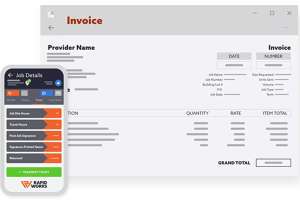
5. Office Technology: Automating back-office functions such as billing, scheduling and reporting
These systems often incorporate cloud computing, Internet of Things devices, and AI-driven analytics to create an interconnected network of operational efficiency. However, achieving these benefits requires diligent software maintenance and proactive strategies.
REGULAR SOFTWARE UPDATES
Keeping software updated is crucial for several reasons, including enhanced security, introducing new features and incorporating bug fixes.
Establish a schedule for software updates, incorporating them into your maintenance cycle. If using a cloud-based platform, ensure automatic updates are enabled to avoid missing critical patches.
OPTIMIZE CONFIGURATION FOR SPECIFIC NEEDS
Out-of-the-box solutions rarely align perfectly with a business’s unique workflows. Configuring the software to meet specific operational needs improves both efficiency and user adoption.
This may include customizing dashboards for role-specific insights, configuring alerts and notifications to match operational priorities and tailoring reporting tools to meet compliance or performance requirements.
Engage with your software vendor or a third-party specialist to ensure optimal setup and fine-tune features as workflows evolve.
PRIORITIZE DATA INTEGRITY AND MANAGEMENT
The quality of insights depends on the accuracy of the data. A robust data management plan is essential for preventing errors, redundancies or losses.
Some things you or your team can do are periodically review the database for outdated or incorrect information, implement automatic, redundant backups to safeguard data and use encryption and access control to protect sensitive information.
Train staff on proper data entry practices to minimize human error and integrate IoT devices for automated, accurate data collection.
MONITOR PERFORMANCE AND SCALABILITY
Software performance can degrade over time, especially as businesses grow and operations expand.
Key areas to monitor include response times of the software and integration into other systems.
You want to ensure the speed of the software isn’t hindering your team’s productivity and along with that you’ll want to verify it is compatible with emerging technologies or third-party tools you might be using.
One more thing to look out for is that as the fleet, assets or teams grow, that it can handle the increased workloads.
Use performance monitoring tools included in your software or leverage third-party solutions to track and address performance issues proactively.
INVEST IN TRAINING AND SUPPORT
Even the most advanced software is only as effective as its users. Ongoing training ensures that staff fully understand the system’s capabilities and stay updated on new features.
Consider appointing a system administrator or software champion within your team to act as the go-to expert for questions or issues.
IT’S ON YOU
Effective management software is the backbone of modern fleet, field, task and asset operations. However, to maintain its value, businesses must adopt proactive care strategies. From regular updates and custom configurations to investing in training and leveraging analytics, a comprehensive approach ensures software stays aligned with operational demands.
By committing to ongoing maintenance and optimization, businesses can unlock the full potential of their management software, driving efficiency, reducing costs and staying competitive in a fast-paced market.
Continue reading for free