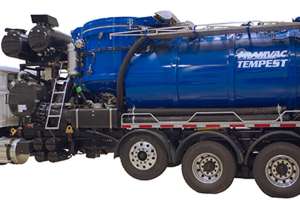

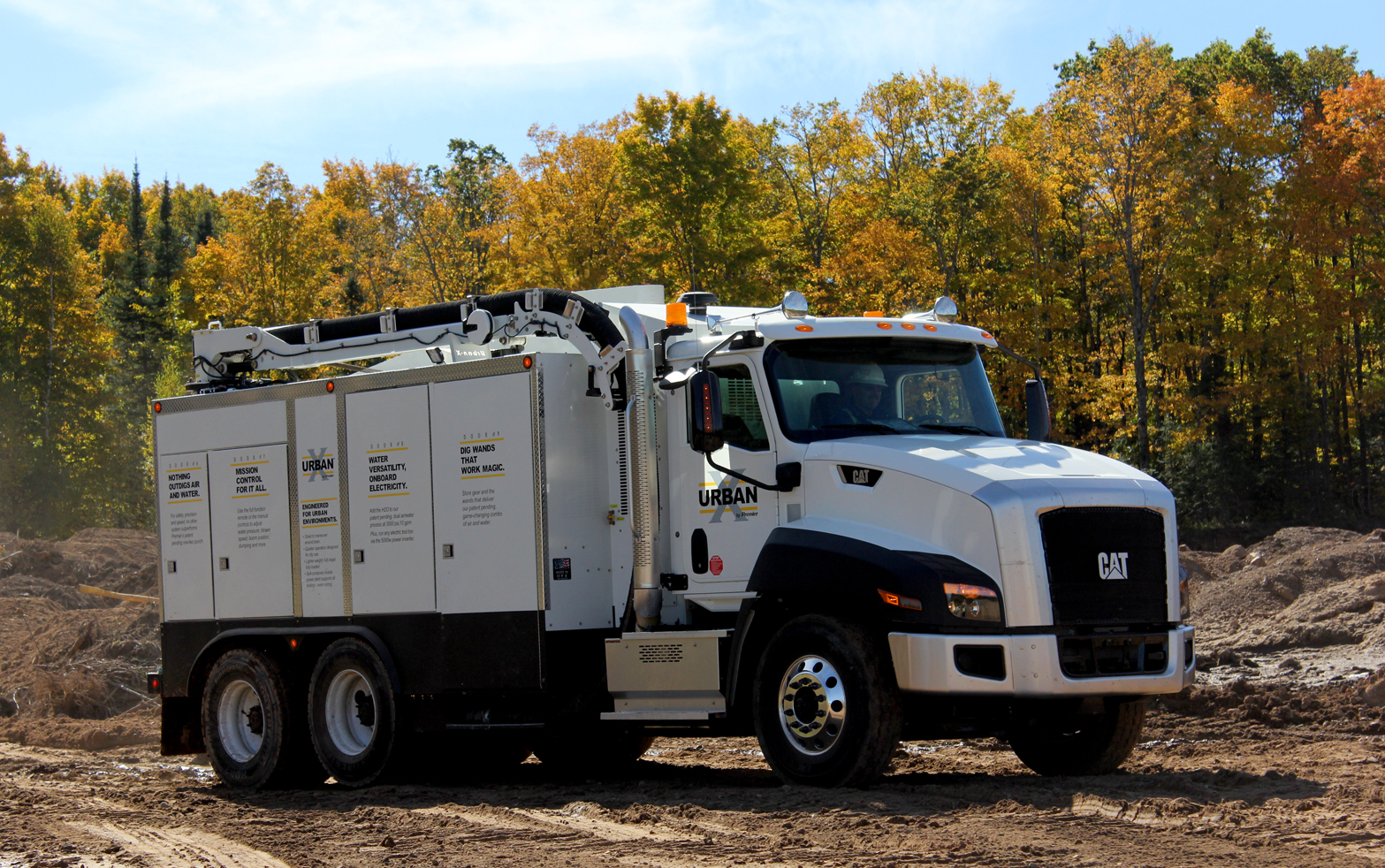
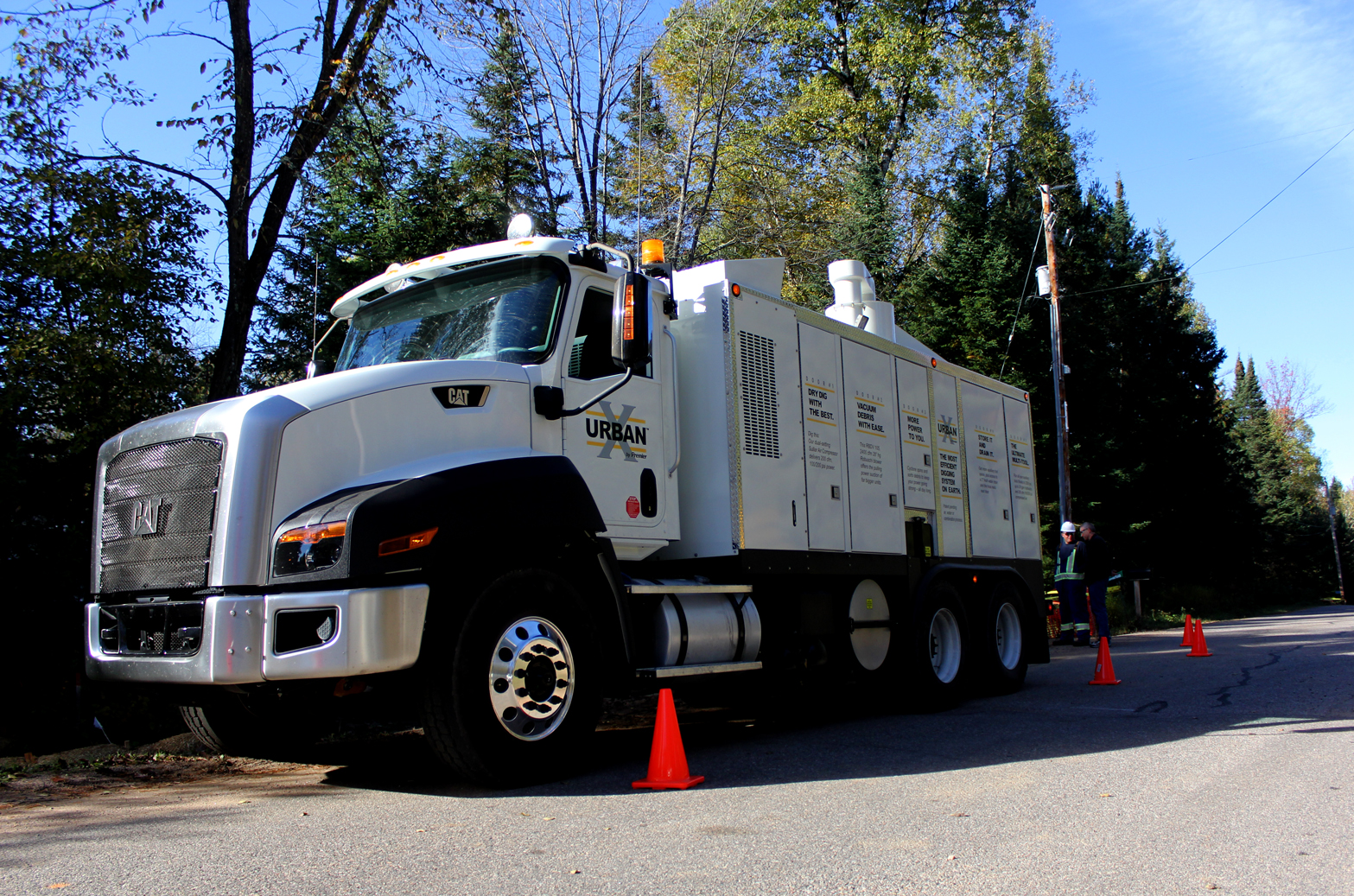
After nearly a year of talking to customers and design work, Premier’s new hydro and air excavation truck, the URBAN X, is in production and available for order.
“It was the voice of the customer that defined the specs on the machine,” says Ian Dickinson, president and CEO of Premier. “We talked to a lot of industry experts, both end users and other groups that are involved in the services and rentals of the equipment. We wanted to know what capabilities the market needs that aren’t out there today.”
That concept talk began in late 2014 and production on the first-of-its-kind truck began in the third quarter.
“We are excited about this launch and have been since the initial concept phase,” Dickinson says. “The excitement has grown as we’ve taken more feedback and input from the end customer and from the industry in general saying ‘this truck is an industry first and a real game changer.’”
AIR AND WATER COMBO
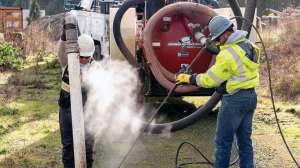
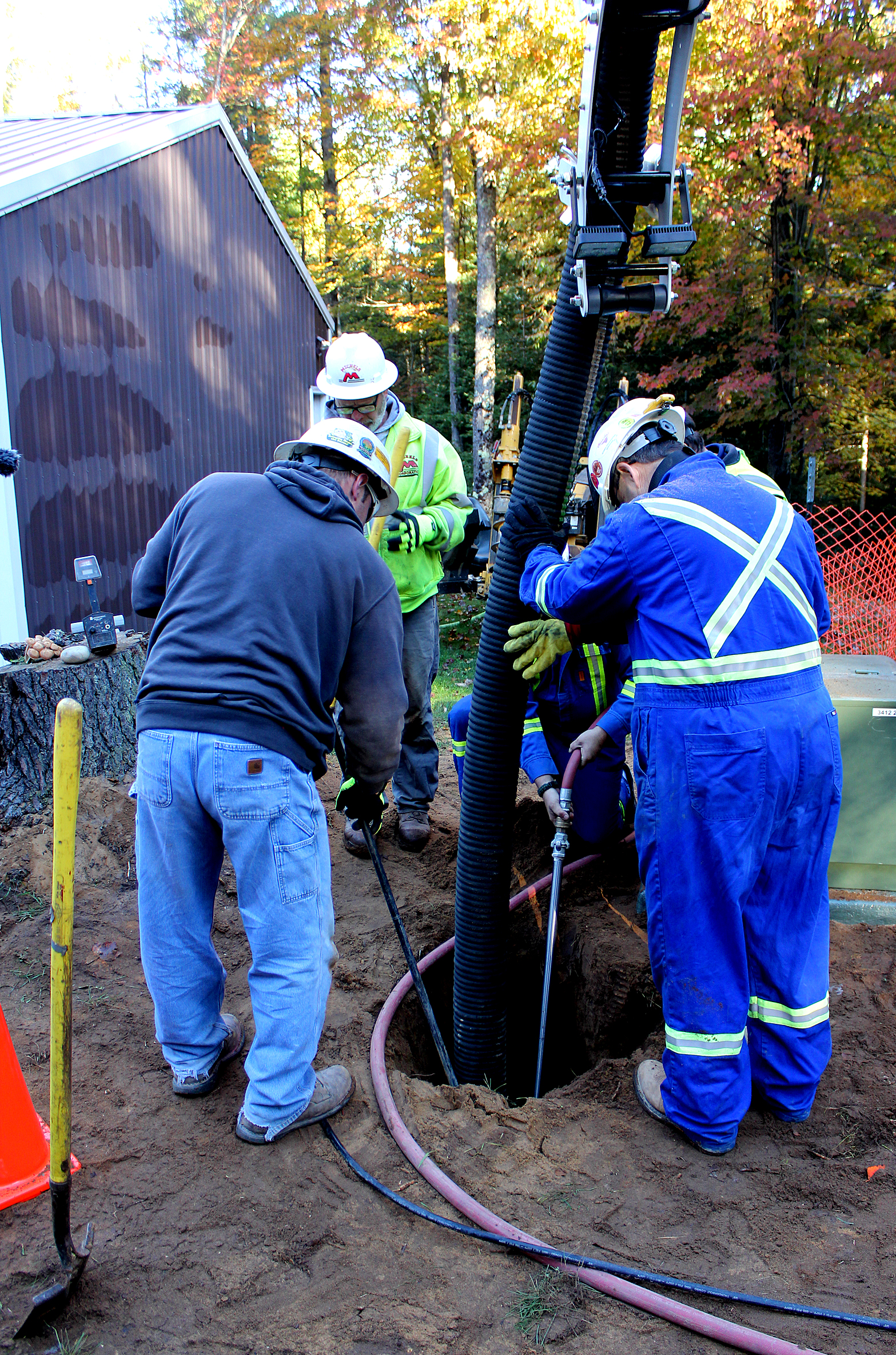
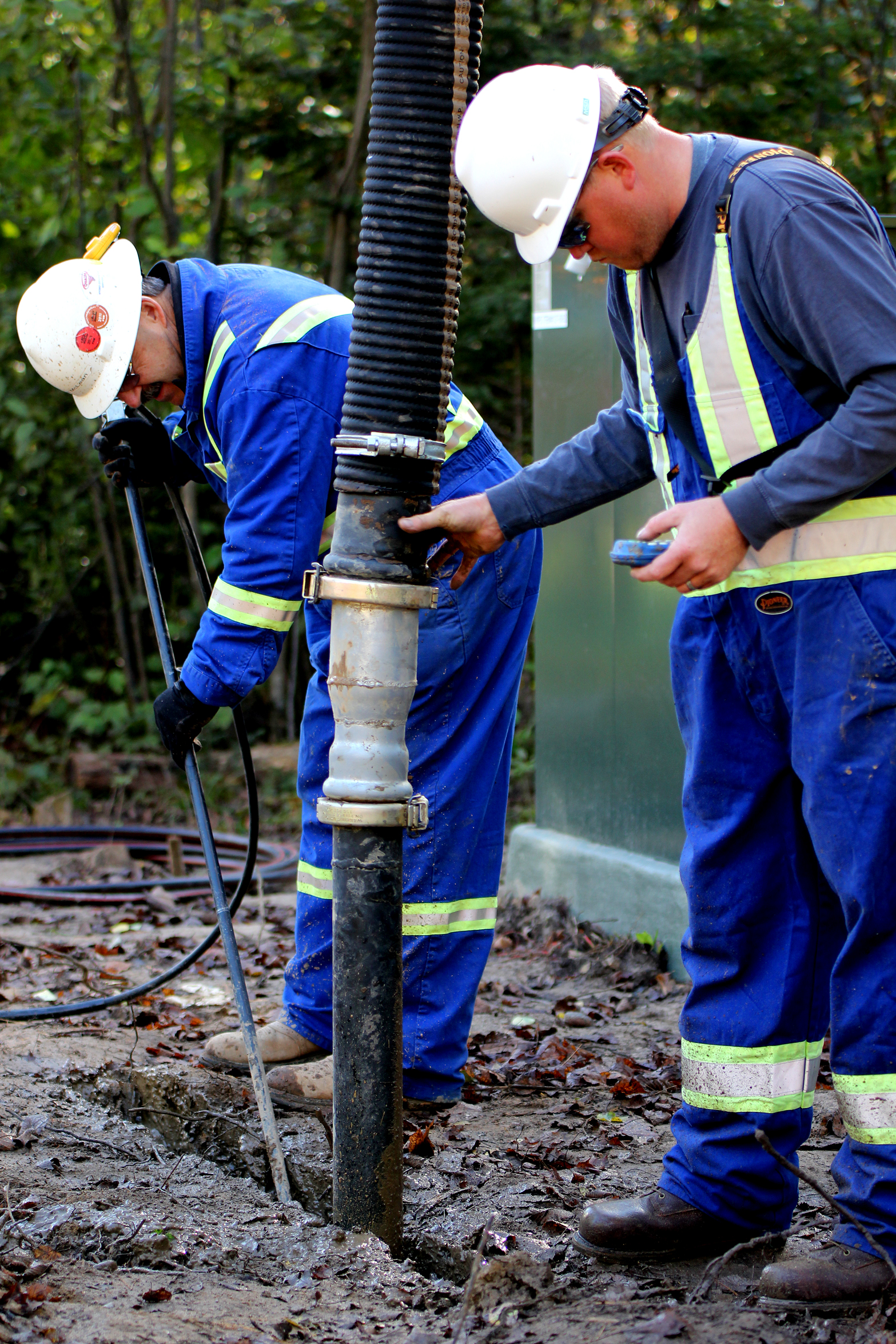
A new and unique feature with the URBAN X is its ability to do both water and air excavation — using the same digging wand.
“We think it’s critically important having the water and air capability in one machine,” Dickinson says. “In some cases operators may want to use air to produce a dry spoil that you can backfill with, but air doesn’t always work in certain soil conditions, so having water on the truck when you run into clays or other soils that air doesn’t excavate well is a must.”
Both water and air can be brought into the single patent-pending wand, and operators can toggle between air or water or use a simultaneous mixture of both.
“We have started seeing a noticeable increase in productivity when we are using the air and water mixture,” says Brandon Buchleiter, hydroexcavator factory manager. “There’s something about the water cutting the ground and the air moving that dirt around, we just started ripping through holes.”
An added benefit of that feature is less water is being used. “It has great productivity in terms of digging and is more efficient on the use of water,” Buchleiter says.
MOBILE POWER PLANT
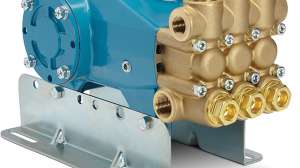
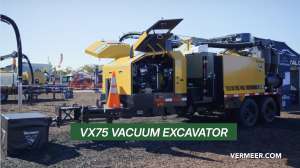
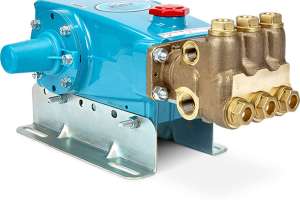
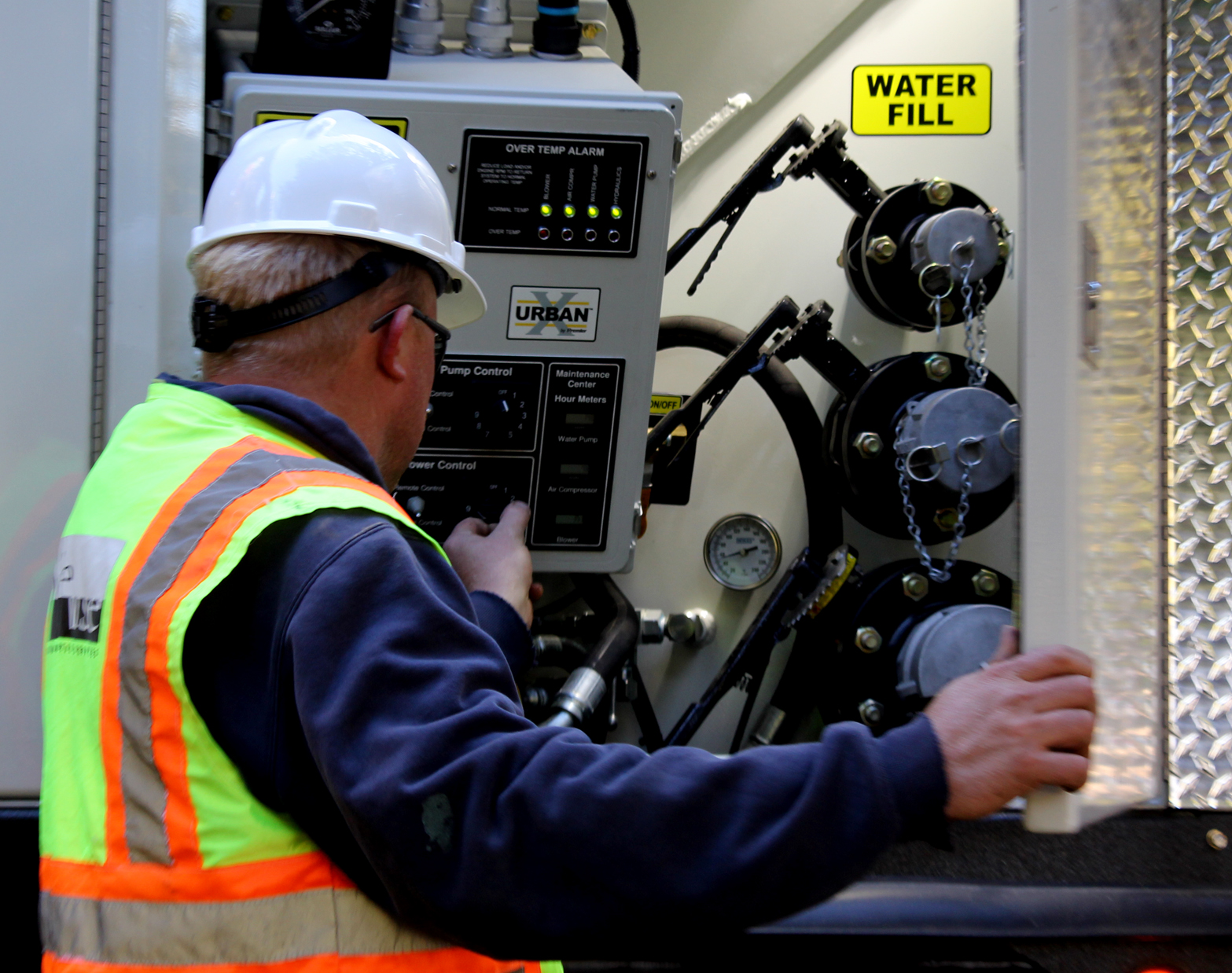
The truck, like other Premier units, is built on a CAT660 chassis, but that is where a lot of the similarities end. The truck has a debris capacity of 6 cubic yards and holds 600 gallons of freshwater. It carries a Robuschi RBDV 105 blower with 2,400 cfm and 28-inches Hg, a Sullair 200 psi 200 cfm dual setting air compressor and a 3,000 psi 10 gpm water pump on board heated by a 380,000 Btu diesel-fired boiler.
On the back of the URBAN X are digging reels for both air and water, along with a hydraulic tooling reel, air tool reel and drip water reel. The truck is also fitted with a 5,000-watt 120-volt AC power inverter.
“We’ve equipped this truck with full tooling capability,” says Buchleiter. “So you have the ability to run air, hydraulic or electric tools on the truck at the same time you are doing your excavation work.”
When on a job site one crew can be in front of the truck operating a coring unit and cutting a hole in the concrete and running an air-hammer, and then off the back of the truck another crew can be digging the hole.
“It’s a mobile power plant,” Buchleiter says.
FULLY LEGAL, FULLY LOADED
One advantage the truck has over many others on the market is that even when the truck is fully loaded with debris and freshwater, it is still fully legal.
“In the worst-case scenario, if you are full of water and full of debris, the truck is still legal under the 54,000-pound limit,” Dickinson says. The truck, when empty, weighs just 18 tons.
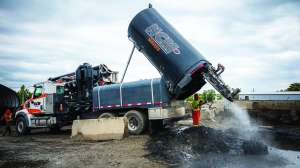
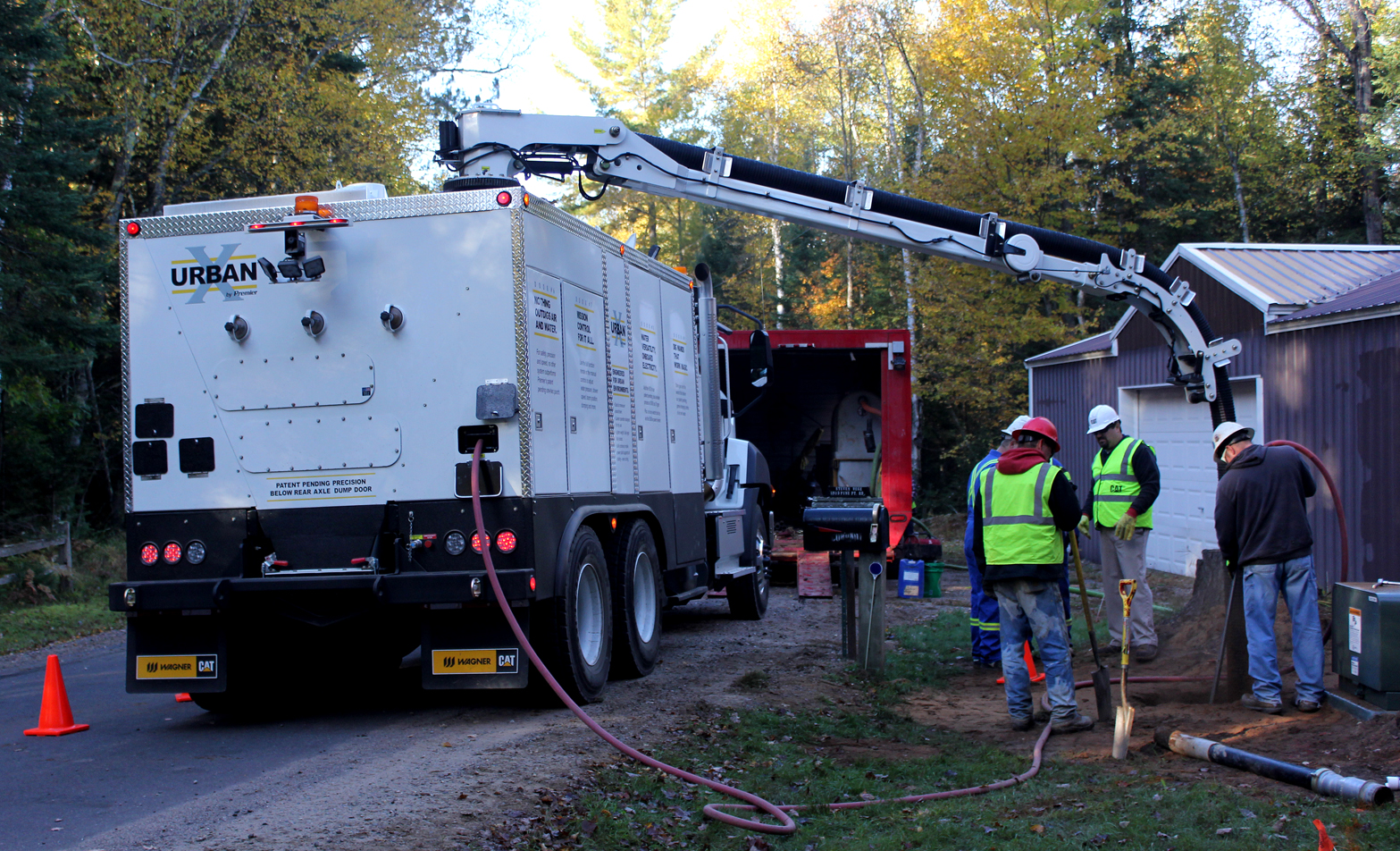
When it is full, a new-patent-pending feature of the truck can be used to empty the contents — the truck’s below rear axle, precision dump.
“The nice advantage of the under axle dump with the air and water combination is you can dig with air, keep your spoils dry and you can open up the rear axle dump over the hole you were digging and put your spoils back in the hole without having to bring a bunch of new, clean fill in,” Buchleiter says. “It’s a much more efficient use of the machine for the consumer, not having to pay for extra manpower and extra equipment.”
BUILT FOR TIGHT SPOTS
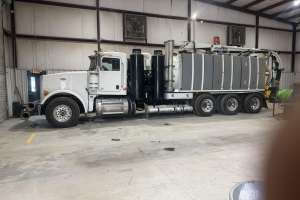
As the name suggests, the URBAN X was built for working in tight-fitting situations with the truck being 13 feet shorter than Premier’s CV Series hydroexcavators.
“This truck is built for contractors who are operating in more constrained environments like urban areas or areas that have restricted room to move in,” Dickinson says. “We have contractors from the oilfields all the way to the municipal side that are interested in this unit and in some cases have already placed orders.”
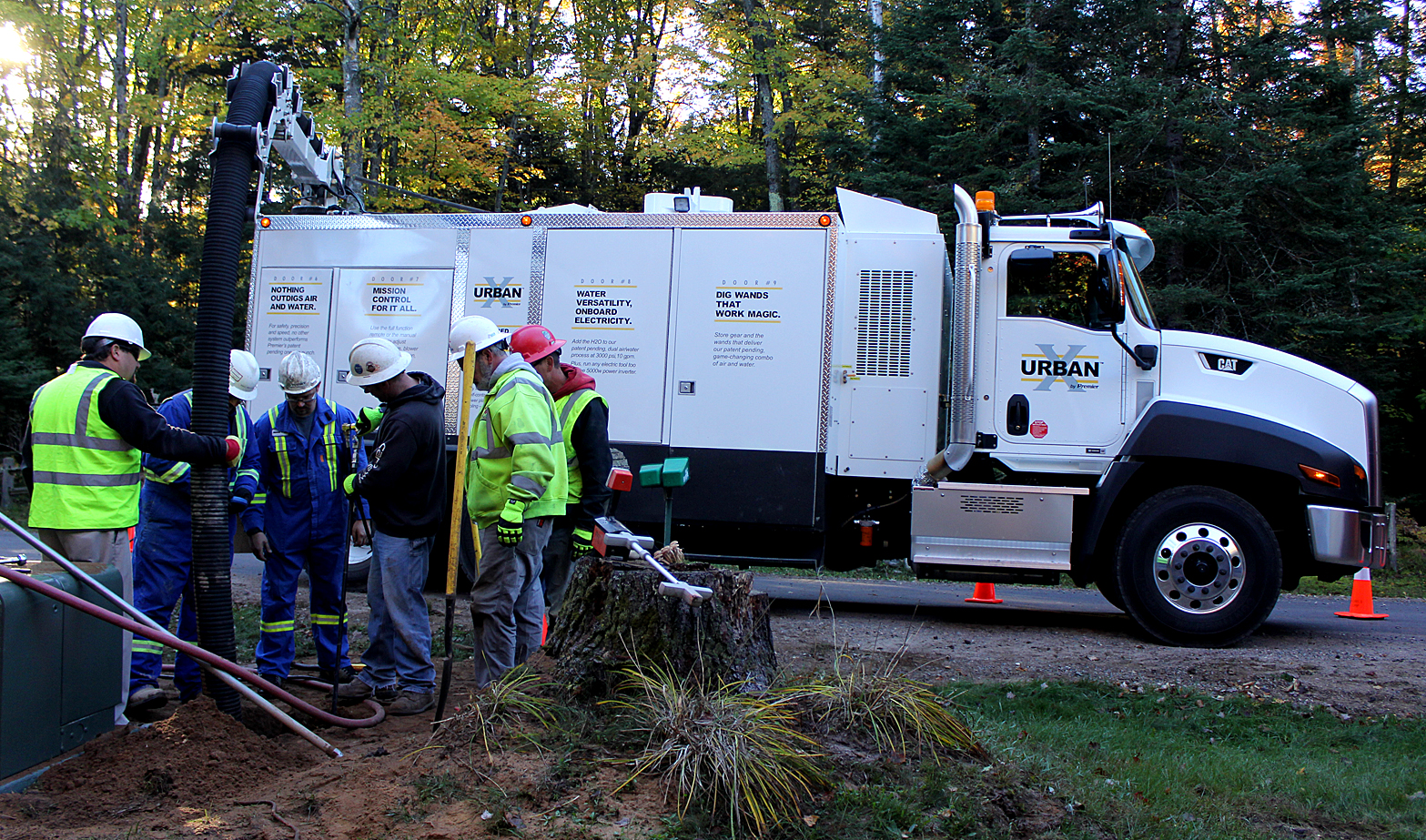
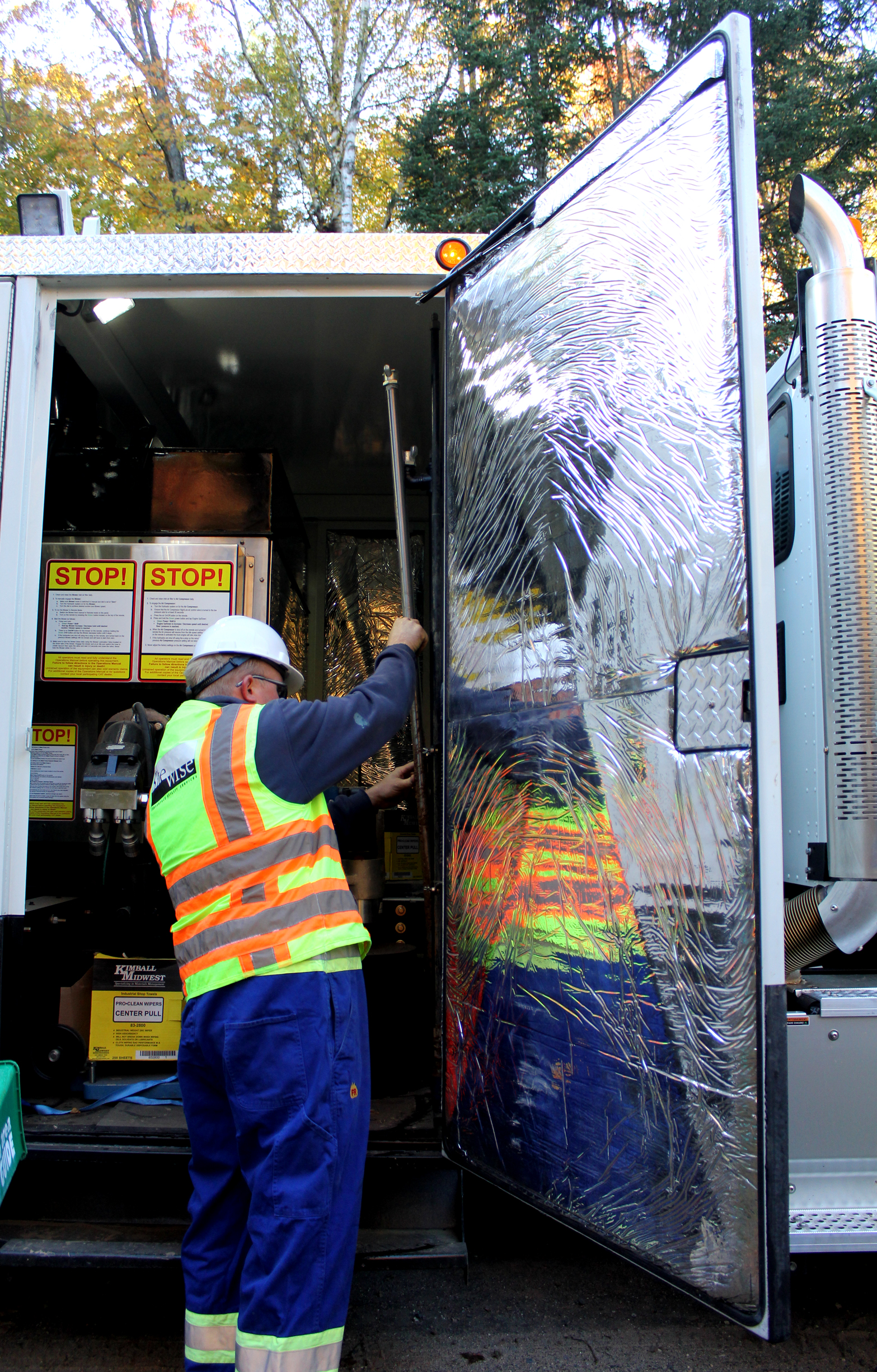
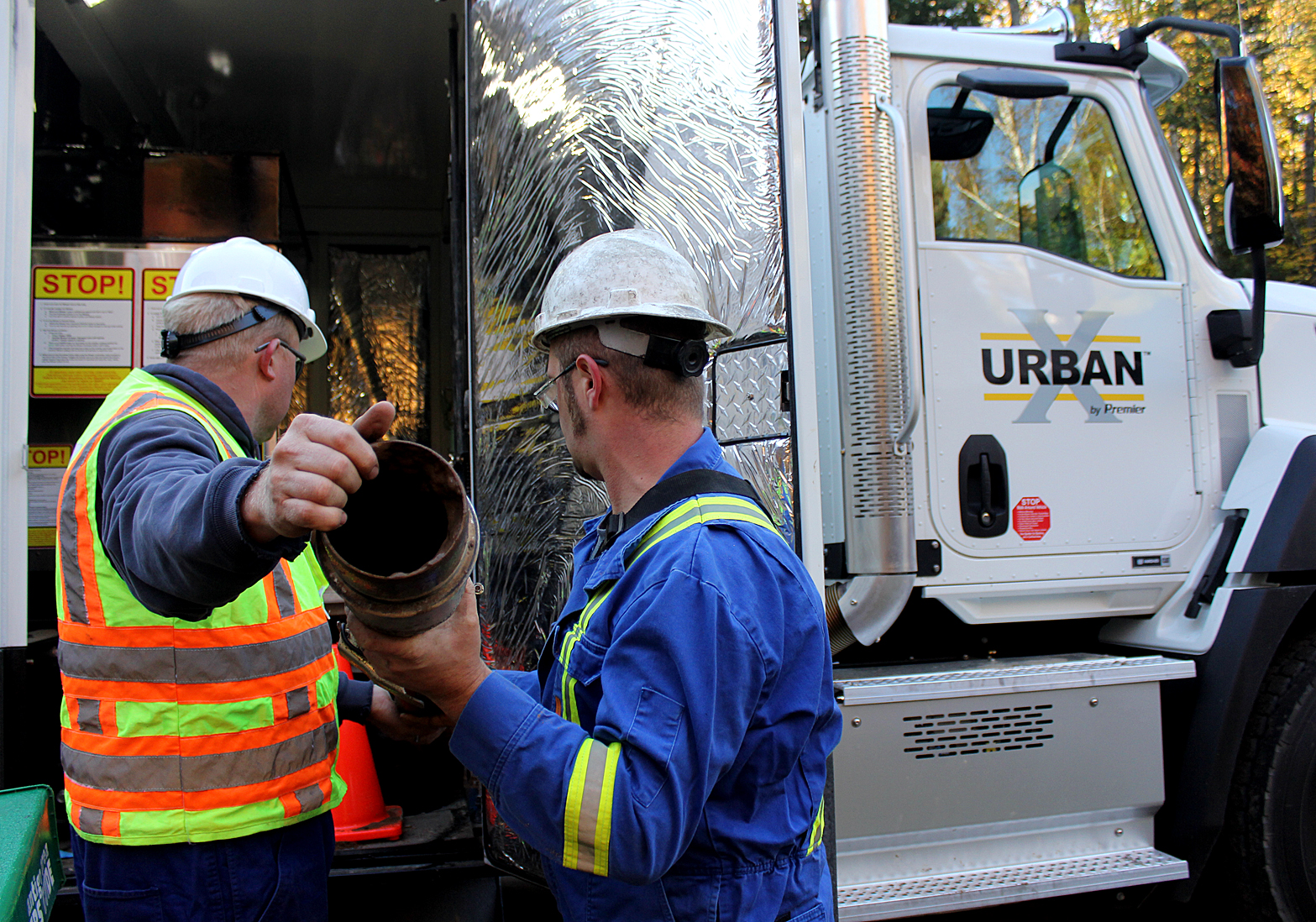
Another sign the truck is built for the urban setting is the way its compartments are set up. All the equipment an operator would need to get to, like wands and operation of the water and air, are located on the curb (passenger) side of the truck. The maintenance compartments are on the driver (road) side.
“Operators are kept safe and out of traffic by setting it up that way,” says Buchleiter.
PUTTING IT TO THE TEST
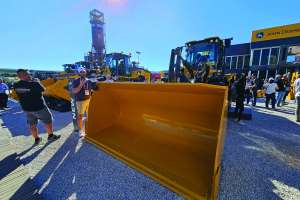
The first truck was shown at the ICUEE Show in Louisville, Kentucky, in late September and early October.
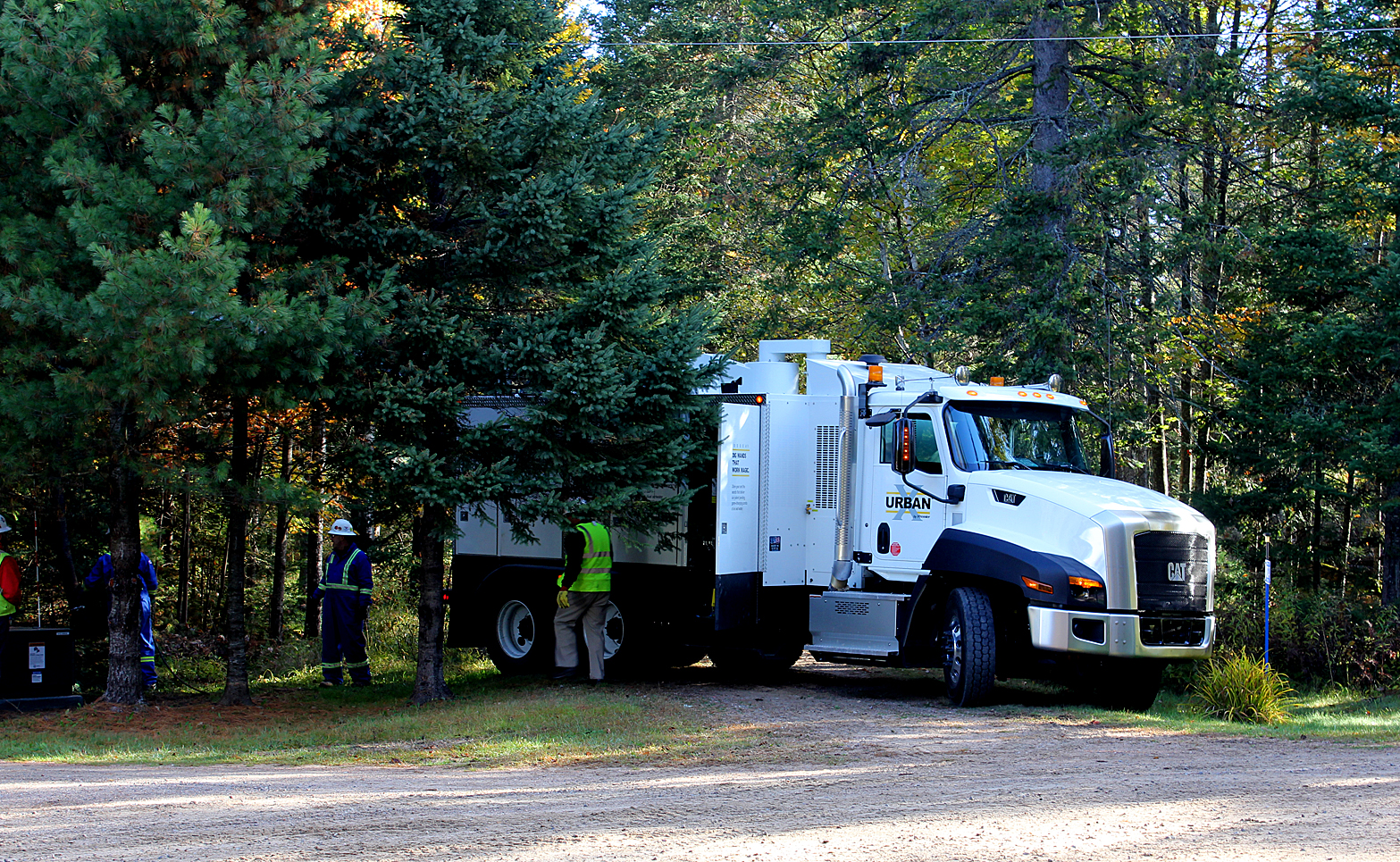
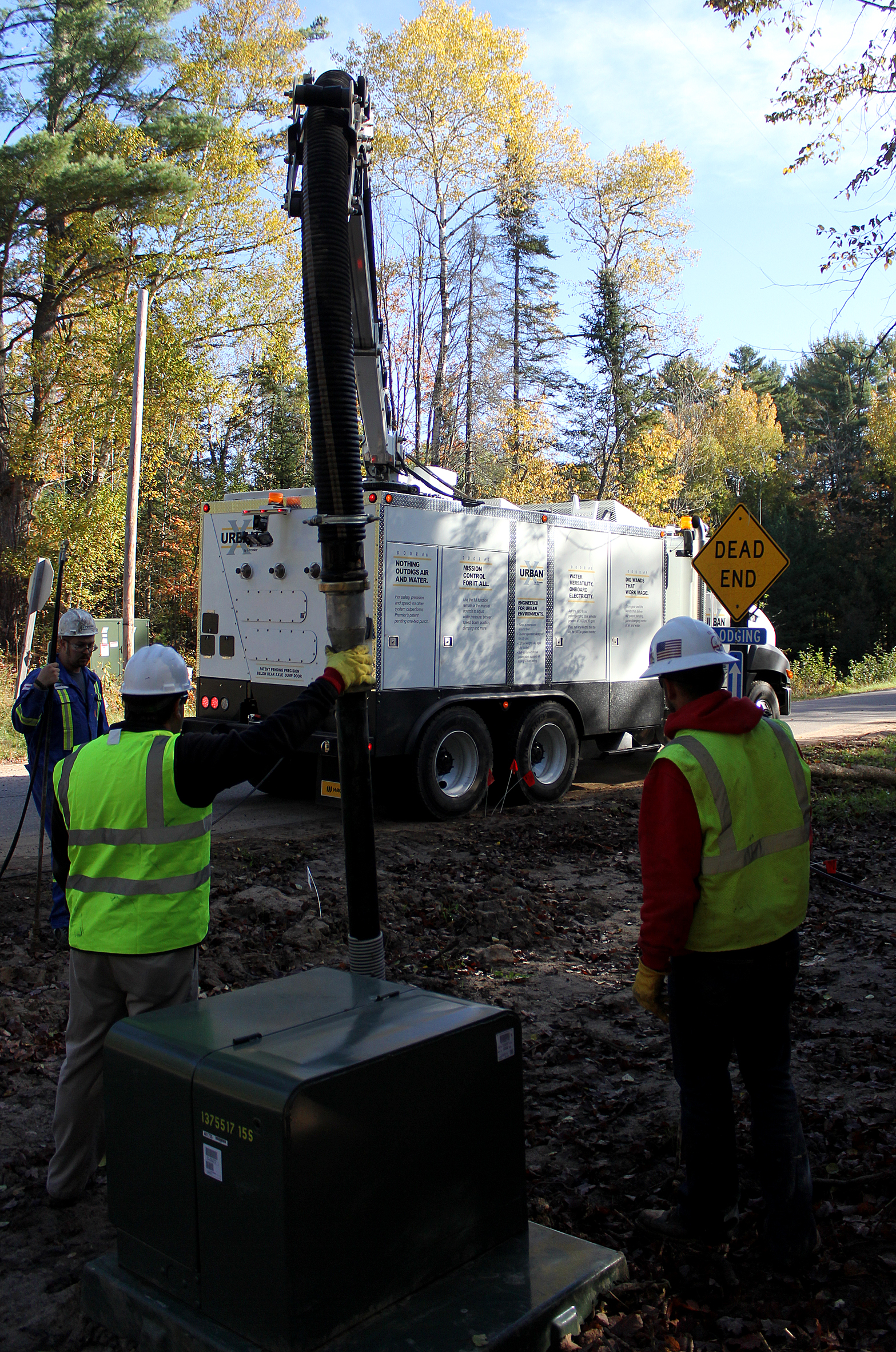
After the ICUEE Show, the truck went right to work at a live demo near the Northern Wisconsin city of Crandon with Wisconsin-based Michels Corporation conducting utility work in rural settings.
“It’s worked very well,” says Buchleiter, who was operating the truck during the demo in Wisconsin. “It’s been very, very productive and it’s been a very fruitful couple of days.”
On several occasions the truck had to fit between trees and shrubs where a normal-sized hydroexcavator couldn’t fit into and would have had to park on the road and have hoses run to the job site.
“We were in some pretty tight quarters with the machine,” Buchleiter says. “It’s hard to get into these spots with the big trucks because they aren’t as nimble as the URBAN X is. With this compact truck you can get it in if you need to without doing a lot of remote hoses.”
The truck will now head to the WJTA-IMCA Conference and Expo in New Orleans Nov. 2-4 and then the Water & Wastewater Equipment, Treatment & Transport (WWETT) Show in Indianapolis from Feb. 17-20.
“The first-end customers will receive their machines in November,” Dickinson says.
Continue reading for free