

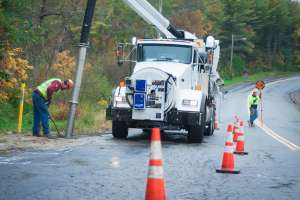
The threat of injury is always present in a roadway construction zone. As common as these sites are, providing the crew and passerby with a safe job site is not a simple task. Setting up a bunch of orange cones, having someone direct traffic, and parking machinery as far off of the roadway as possible are the obvious steps that just scratch the surface when it comes to ensuring the safety.
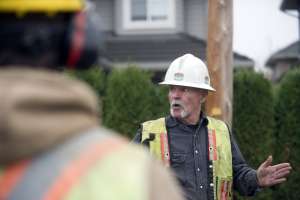
Chuck Ulmer, owner of Ulmer Construction of British Columbia, Canada, is passionate about keeping his crew and passerby safe when his company is completing a roadside job. “The situation is constantly changing. I have to know who is around and adjust to what’s happening at any given moment.”
Ulmer trains his crew to keep their eyes open, and he gives them the time it takes to get to know the job site before the work starts. He emphasizes that he can’t trust the public to pay attention to the changes the work zone has brought about, so he has to trust his crew to keep the public safe.
Roadside safety starts with a plan
The layout of the construction zone is key. A good traffic control supervisor should set up the work zone so that workers have the least possible exposure to injury. Every roadside zone is different, so there is no one-size-fits-all solution that can be applied.
Completely closing the road or rerouting traffic to the opposite side of the road is favorable. Unfortunately, these options aren’t always possible, and it’s necessary to use some sort of barrier to separate traffic from the work zone. In this case, the traffic control supervisor would be best to set up the zone so the traffic flow is as close to the original traffic pattern as possible.
In the work zone, the crew needs to be adept at recognizing blind areas, able to safely move machinery, and capable of working in a limited amount of space that can be incredibly loud due to passing traffic. When a worker is walking around equipment, making contact with the operator is a must. Each crew member has to be aware of what’s going on at the site.
Ulmer trains his crew to be ready for what comes, but one thing he insists upon has to deal with technology. “Phones are pretty much done away with on the job site. Guys have died,” he says. Ulmer teaches his workers to constantly evaluate for new hazards and to keep their eyes and ears focused.
Communicating helps to ensure roadside safety
Educate the public as best possible, so the community is prepared to deal with the work zone. Keeping the public well informed about the job is an important part of keeping the roadway safe. Many townships and cities are posting signs and sending letters directly to the public to inform them of the impact roadside work zones will have on traffic changes or closures.
Ulmer understands that keeping the lines of communication open with his crew contributes to their safety. He has a Monday morning meeting each week where he makes sure crew members know exactly what’s going on. “They know what to expect and what tools to take to every job for the whole week,” Ulmer says.
Beyond the weekly meeting, Ulmer also has individual job site meetings to identify specific roadside hazards. His men walk the site, and they are trained to make necessary adjustments where they see fit throughout the duration of the job.
Dealing with the public can be one of the biggest challenges
If there is evidence of duress such as barricades being hit or skid marks on the road, the work zone should be modified immediately. However, a problem Ulmer notes is the public’s inability to recognize and adjust to changes in traffic patterns. “They’ve been going this way for 20 years, and they literally don’t see what’s been changed,” he says.
Ulmer spends as much time preparing his crew to deal with the public as he does preparing them for each work zone. Ulmer’s advice to other contractors is to set up each work site to keep the public out.
“Consider every type of person in your thought process when you’re setting up a job,” Ulmer says. “You have to think outside of the box in order to keep your guys and the public safe.”
One of the most important things he trains his workers to do is to catch the motorists’ eyes so they’re sure to be seen. Generally speaking, Ulmer stands by the principle that, “If you have the outside of the job site protected, you automatically protect the inside of the site.”
Ulmer can think like this because he implicitly trusts his crew. He has trained them to be responsible for their own safety and to have eyes in the back of their heads every moment that they are in the zone.

How do you train your crews to make sure the job site is safe? Here are some videos showing what can happen at job sites on or near the road: