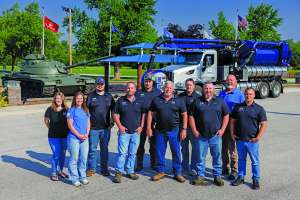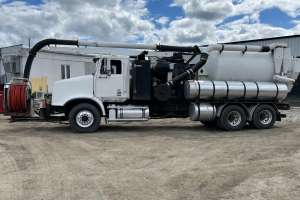

In a lot of ways, almost every job is a tough job when it comes to hydroexcavating. Nonetheless, there’s always a project or two that stands above the others in terms of complexity — and for Torovac, that project occurred earlier this year at a busy intersection in downtown Toronto, where the company is based.
The project involved installing an approximately 50-foot-long, 12-inch-diameter PVC water main. Not that big of a deal, typically — except that the line would have to run under the tracks used by the city’s electric-powered streetcar system, explains Frank Rotundo, co-owner of the company.
In addition, the main would pass below a highly traveled four-lane street, he says.
The job underscored the benefits of hydroexcavation. Using traditional open-trench excavation to install the new pipe would’ve taken about a month and significantly disrupted streetcar and vehicular traffic.
“But we only had to shut down one lane of southbound traffic,” Rotundo says.
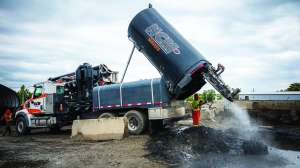
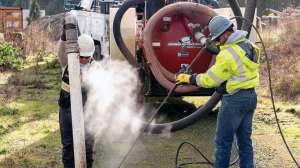
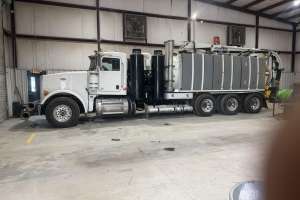
The job went quickly, too; Torovac crews started the project on a Friday and ended the next day. To excavate the 50-foot-long tunnel, Rotundo took a unique approach by positioning one truck on each end of the job site, about 60 to 70 feet apart and perpendicular to the train tracks and the lanes of traffic. Then both trucks excavated toward the middle of the pipe route.
The initial stretches of both ends of the tunnel were excavated about 4 feet tall and 3 feet wide to keep it from collapsing in order to accommodate a person who had to crawl inside to install shoring as the dig progressed. But the diameter of the tunnel eventually tapered down toward the middle, Rotundo says.
“It was tricky to get the two tunnels to meet in the middle,” he says. “It’s all about having experienced crews and a lot of communication between the two operators to keep the tunnel at a consistent height.”
Read more about Torovac Services in the July 2021 issue of Dig Different magazine.
Continue reading for free