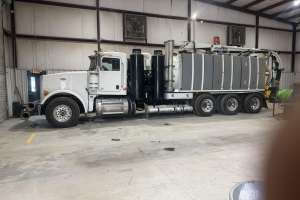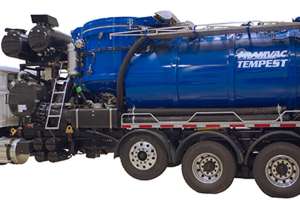

For decades, the excavation operated on high-stakes guesswork: You had your schematics and your locates, and you crossed your fingers that everything matched reality. If you were unlucky, you were looking at a ruptured pipe, a severed fiber optic cable or a massive headache that could shut down a project for days.
Introducing hydroexcavation changed all that. Hydroexcavation didn’t just improve the digging process; it fundamentally changed safety in the trades and turned a once high-risk job into a masterclass in surgical precision.
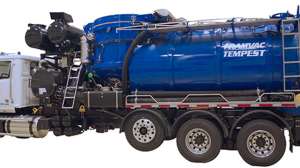
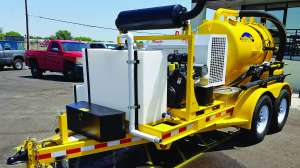
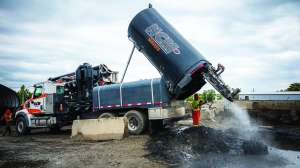
Hydroexcavation works by utilizing a powerful combination of high-pressure water to break up soil and an industrial-strength vacuum system to remove it. This isn’t just a “less messy” way to dig; it allows excavators to move soil with the delicacy of a neurosurgeon.
When you use hydroexcavation to “daylight” or expose utility lines, you’re navigating a complex, often unpredictable underground network without risking damage to that infrastructure. Water liquefies the soil, creating a slurry that the vacuum system removes, leaving the target pipes, cables and conduits undisturbed and visible. It transforms the old daily gamble into a controlled, repeatable and safe operation.
This evolution reflects a broader trend toward tech-driven efficiency in the trades. Being a modern operator is no longer about who can swing a shovel the longest. It requires mastering sophisticated technology and understanding the science of the job site. Operating a hydroexcavation unit also requires a deep understanding of soil conditions, pressure management and vacuum airflow.
These are technical skills that are every bit as complex as programming a computer or balancing a municipal budget. Whether it’s daylighting lines for major infrastructure projects, cleaning debris out of confined spaces or handling emergency repairs, the hydroexcavation operator is the professional in charge of a high-value asset, repairing real-time catastrophes.
The hydroexcavation revolution proves that the trades are not "stuck in the past." You represent the forefront of construction technology, integrating heavy engineering with smart systems to solve modern infrastructure challenges. Change has meant trading the shovel for a water jet, but the industry is safer, smarter and more efficient for it. Embrace hydroexcation as a career path that rewards focus, requires technical precision, and allows you to solve problems from an operator’s cab.
Continue reading for free