For many contractors, working past sundown has become commonplace, making light towers essential for safe nighttime construction work.
These units, driven by diesel-powered generators, are fairly robust, but they are exposed to a wide range of elements such as high winds, corrosive rain, and rough handling during transportation.
As such, they require periodic maintenance to prolong the life of the equipment.
1. Change Oil and Filters
Light towers may need to run constantly at a job site for weeks at a time, so regularly checking the engine oil and replacing fuel and air filters can go a long way in keeping these machines well-maintained.
“Proper maintenance and replacement schedules should be kept up for all filters, especially in dirty environments,” says Tara Schwersenska, technical services manager at Generac Mobile Products of Berlin, Wisconsin.
2. Avoid Operator Error
Warranty and service issues are often the result of turning the engine off without first turning the load off. To avoid damage, always turn off the lights and unplug tools from accessory outlets before shutting down the generator.
Some models automatically turn the generator load off before shutting it down or prevent the unit from starting when the main breaker is on or accessory items are plugged in.
3. Clean Fuel Cap
“A common maintenance check contractors overlook is cleaning the light tower fuel cap vent,” Schwersenska says. “If the vent is not cleaned, dirt can get into the fuel or vapor lock can occur. Vapor lock is a condition where air is sucked out of the tank and ‘locks’ the fuel from being sucked into the engine. This disrupts the operation of the fuel pump, causing loss of feed pressure to the fuel injection system, which results in transient loss of power or complete stalling.”
4. Prevent Wet Stacking
When left unattended for lengthy periods of time, generators can be subject to wet stacking, a damaging condition that occurs when diesel fuel is not properly burned off during use.
To avoid wet stacking, Schwersenska recommends running the generator for a few minutes once a week at the designated operating temperature with a proper load size.
5. Keep Bulbs Protected
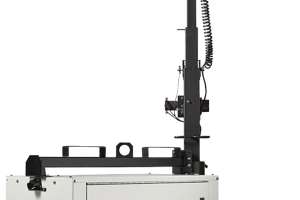
In general, the life span of a light tower bulb is 1,000 hours, but excessive towing can increase the risk of bulb damage. To reduce bouncing during transit, the telescopic mast should be completely down and secured with the lamp socket in a downward position and the lenses turned in.
Bulbs should also be protected from contaminants and replacements should be stored in a clean, dry place. Avoid touching bulbs with bare hands because skin oils can get on the lighting element, causing it to burn at a higher temperature.
6. Check Weather Conditions
High wind speed can be potentially damaging to a light tower, as well as a major safety issue. While these units are equipped with stabilizers and are typically built to withstand wind gusts up to 65 mph when properly positioned, never operate light towers in winds higher than what has been rated by the manufacturer.
7. Perform Routine Maintenance
If the equipment is kept clean, light towers should only require routine maintenance every 750 hours and generators every 500 hours. Before each use, inspect the tower and winch cables for wear, check tires for proper pressure, inspect trailer lamps, check fluid levels and perform a preventive maintenance check.
“A daily walkaround to catch something that may be wrong could save significant time in the long run,” Schwersenska says. “Make sure the required maintenance is being done on time, and always follow the manufacturer’s recommendations.”
Light tower safety
Light towers weigh about 2,000 pounds and can tip over if they are set up in a hurry or if the proper safety precautions are not followed. When operating these units, keep the job site safe and extend the life of the equipment by following a few simple guidelines:
— Wear personal protective equipment, such as hard hats, earplugs, dust masks, safety goggles, and gloves. Don’t wear loose, torn or bulky clothing around the machine.
— Properly set up the equipment. Always extend and lock the telescoping outriggers to level and stabilize the tower. Before raising the mast, make sure the lights are adjusted to the desired position. Be sure to angle the lenses to reduce glare and keep the light out of the drivers’ eyes.
— Keep the unit away from combustible or dangerous objects, like trees and overhead power lines that can catch fire or cause electrical shock.
— Clean after heavy use. Accumulation of oil and debris around the unit can reduce lighting efficiency. Moreover, heat from light towers may cause oily residue on the masts to burn at higher temperatures.
— Turn the engine off and let it cool down before fueling or lubricating, and always refuel in a well-ventilated open area. Light towers emit toxic exhaust fumes, so never use them indoors.