
When you see a crew out on the job site working, what do you tend to look for and think of first? Many of you are probably wondering what equipment they’re using, who the manufacturer is how powerful the trucks or drills are.
All of that is normal to consider in this industry. I look for that too, but there is something else I tend to notice right away. I’m typically looking to see if the crews working are wearing the proper personal protective equipment — safety glasses, hard hats, shields, gloves, boots and more.
Maybe it’s the part of me that is the photo editor for all of our publications at COLE Publishing and I have to look out for that when I get photos submitted, or maybe it’s the news stories that I see about workers getting injured because they weren’t wearing that important equipment. Either way, it’s usually the first thing I notice.
SETTING GOOD EXAMPLES
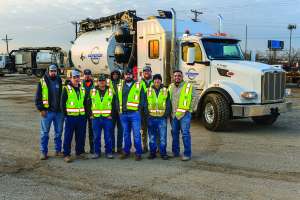
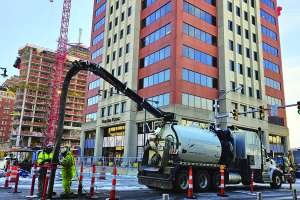
While attending the WWETT Show in Indianapolis in February, I was taking a break from attending education sessions and took a walk outside. Right outside the convention center there was a crew from US Hydrovac — a company profiled in Dig Different in 2023 — working on a street project.
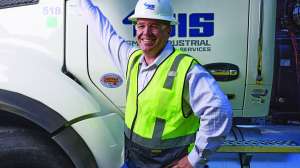
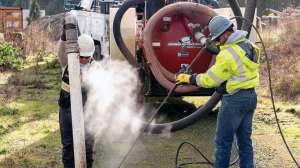
It was a welcoming sight seeing the team from US Hydrovac sporting all of their PPE from hard hats and shields to gloves, and bright-colored safety clothing.
That shows that safety isn’t just a priority for their team, it’s the foundation of every successful project. One of the simplest yet most effective ways to protect workers is by ensuring they wear proper PPE. PPE serves as the first line of defense against workplace hazards.
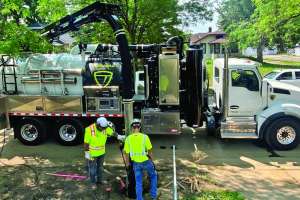
Another prime example of crews working safe is right in this issue with our profile on Superior Hydrovac of Fort Worth, Texas. Take a look at that profile and notice all of the safety equipment being worn. Operators even have onsite inspections from their project managers and general manager to ensure they are being safe.
Safety glasses and face shields protect against airborne particles and pressurized fluid splashes, while gloves shield hands from cuts, abrasions and chemical burns. Hard hats are essential to guard against falling objects and impacts, reducing the severity of head injuries that could otherwise be catastrophic. Face shields and rubber gloves add an extra layer of protection, preventing serious injuries from pressurized water streams and flying debris. Reflective vests and proper footwear also contribute to overall safety, ensuring visibility and stability in challenging job site conditions.
BUILDING A REPUTATION
A company’s reputation is built on more than just the quality of work — it’s also shaped by its commitment to safety. Clients, contractors and regulatory agencies take note of how companies handle workplace hazards. Those with strong safety records are more likely to win bids and secure repeat business, as clients want to work with teams that prioritize compliance and risk mitigation.
Workers are also more likely to stay with a company that takes safety seriously. Retaining skilled employees is a challenge in the industry, and a strong safety culture can be a key differentiator in attracting and keeping top talent.
BE A MODEL
PPE isn’t just about checking a box for compliance — it’s about protecting lives, enhancing productivity, and securing a company’s long-term success. I’d like to hear what your company does to ensure crews are wearing the proper PPE and being safe. Email me at editor@digdifferent.com.
Enjoy this issue!
Continue reading for free