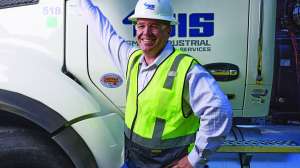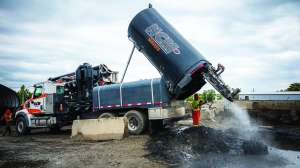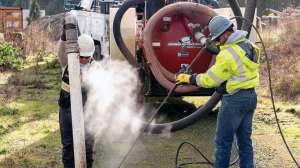

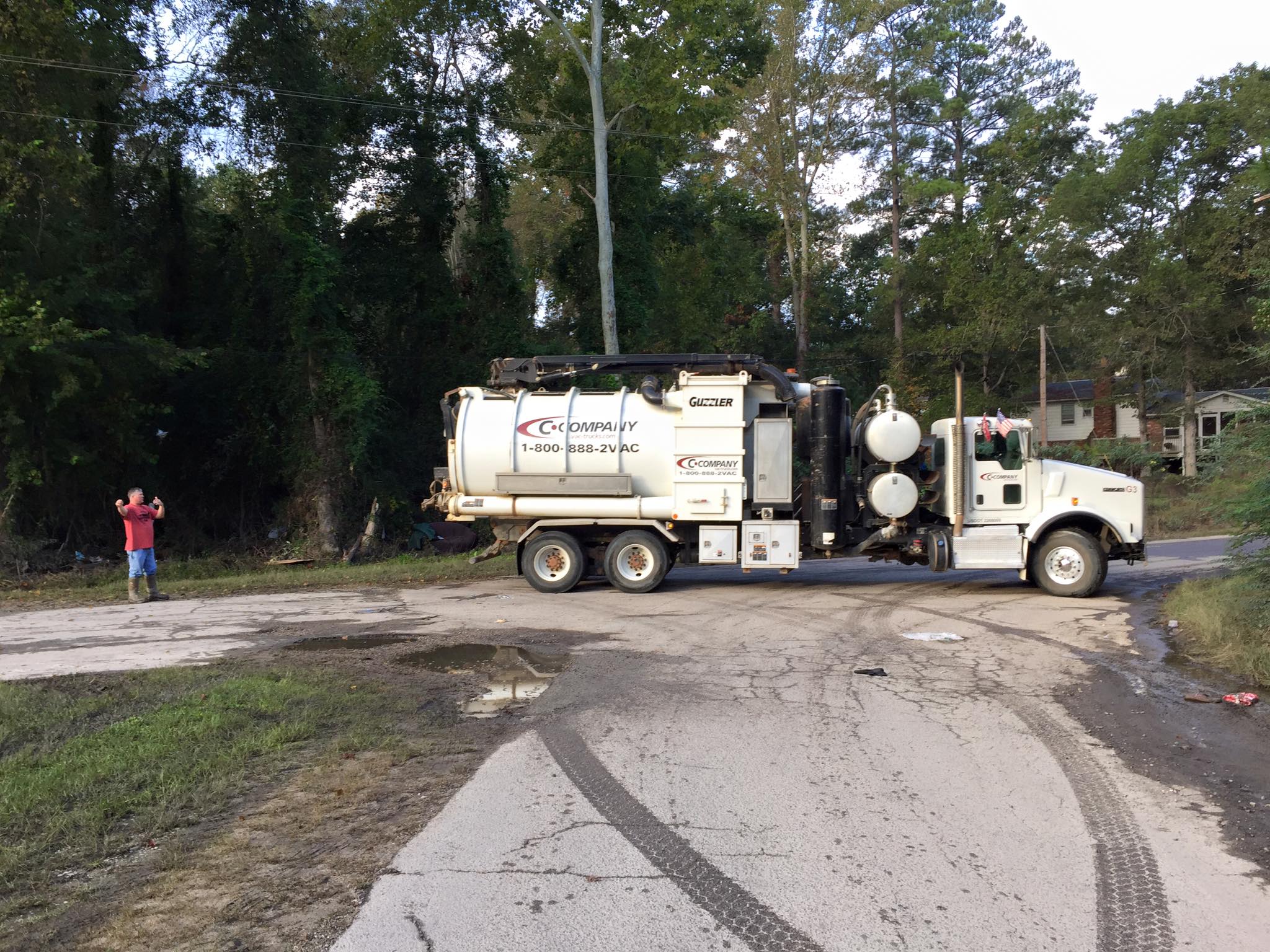
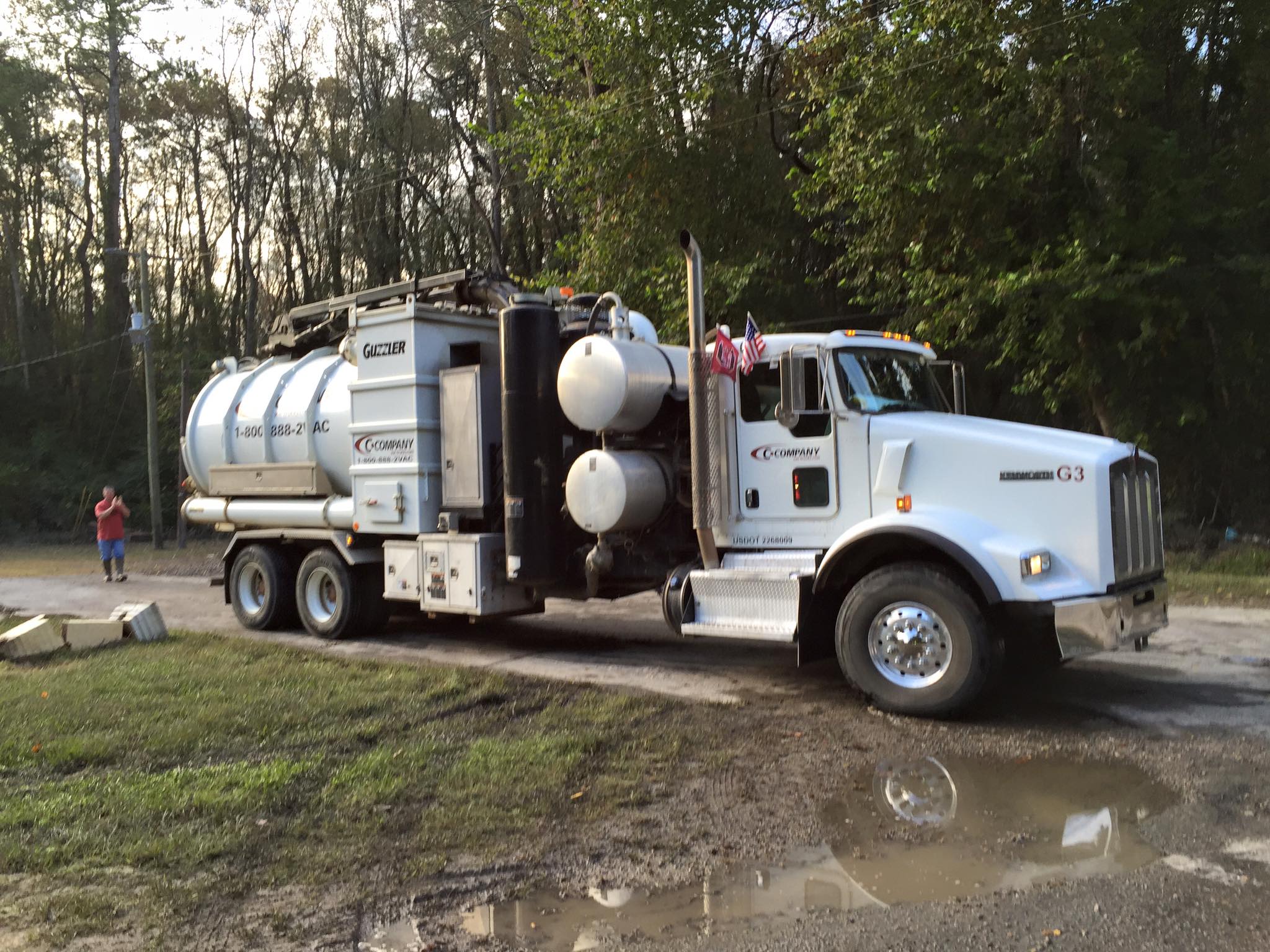
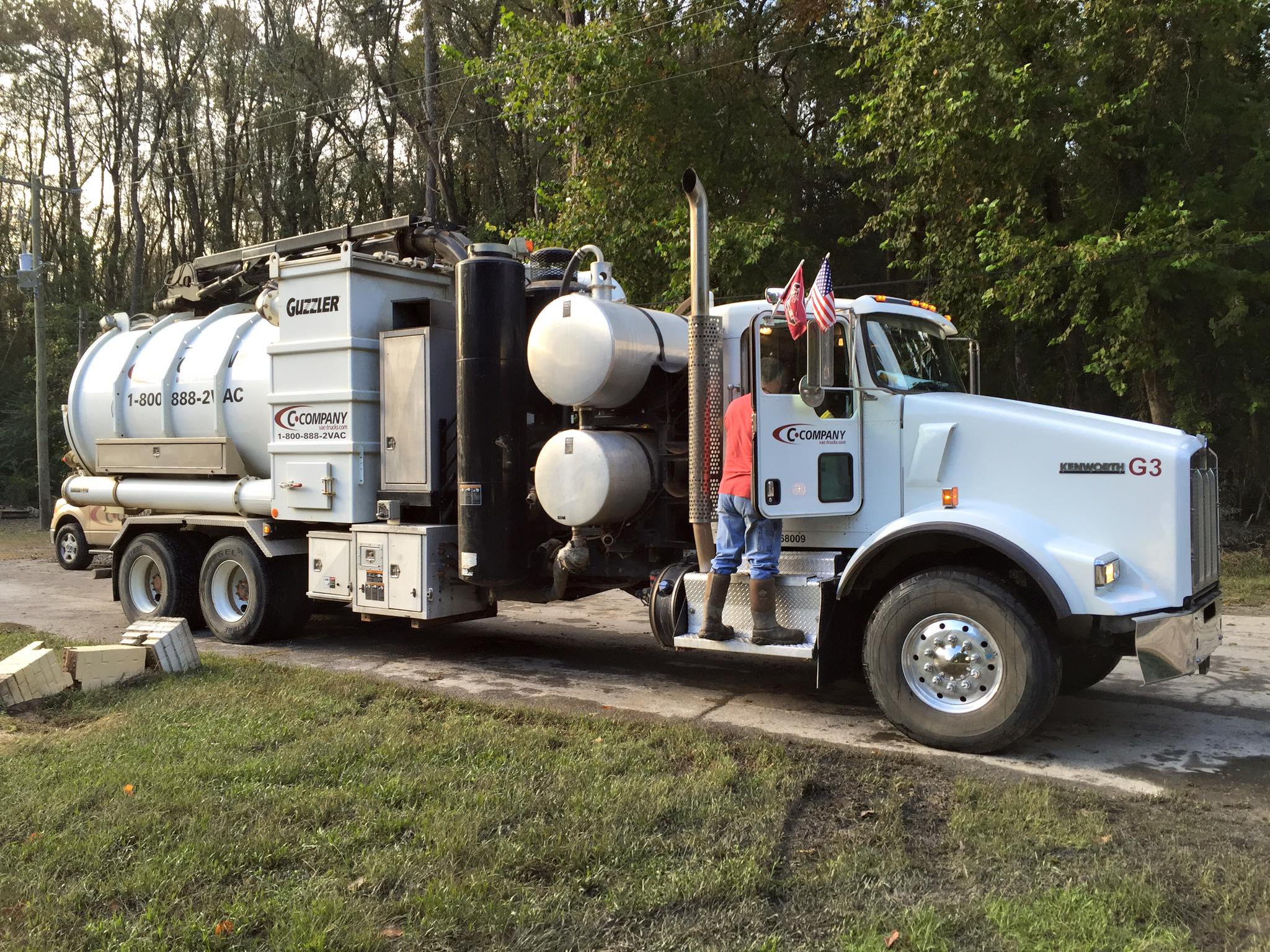
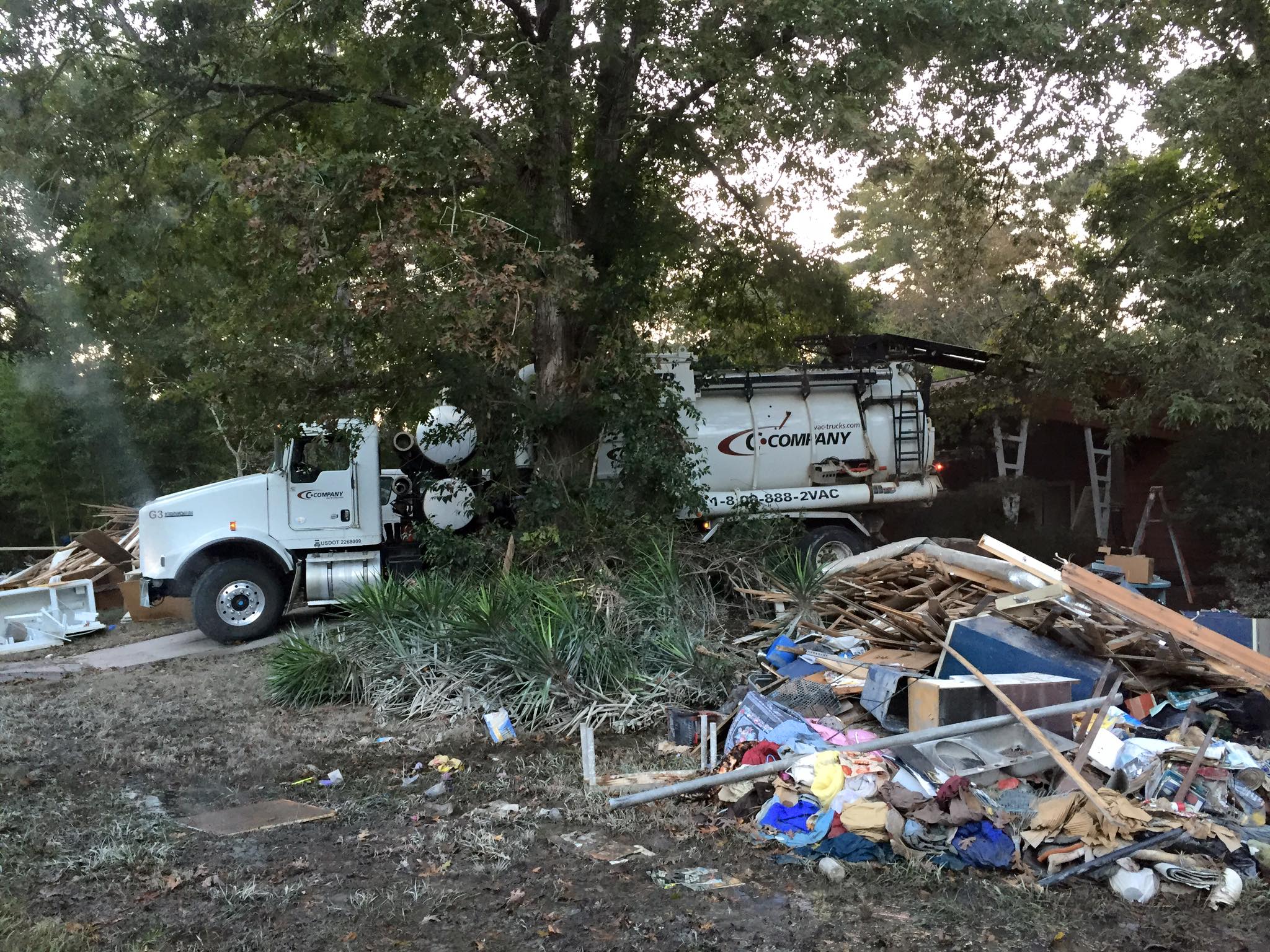
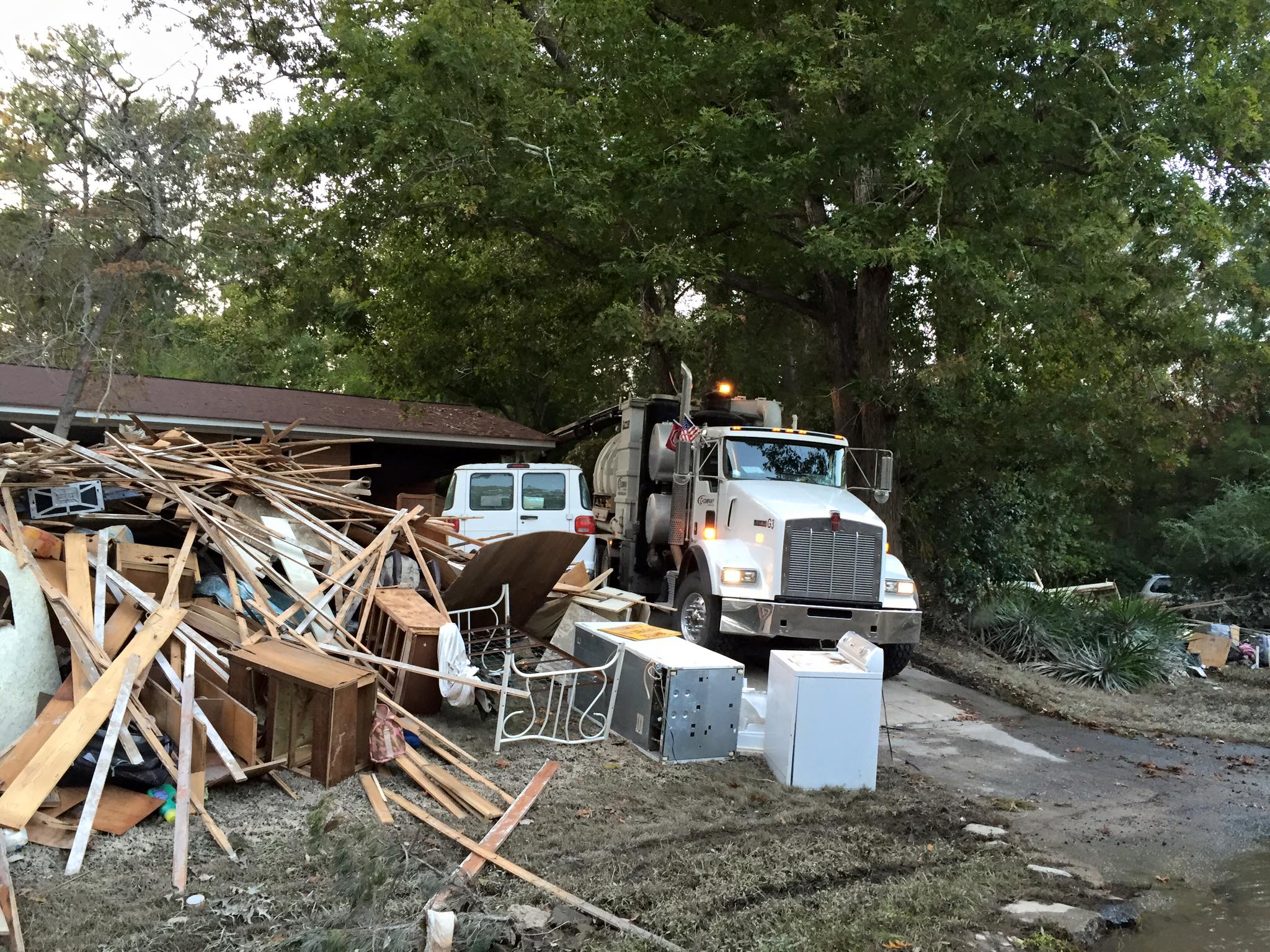
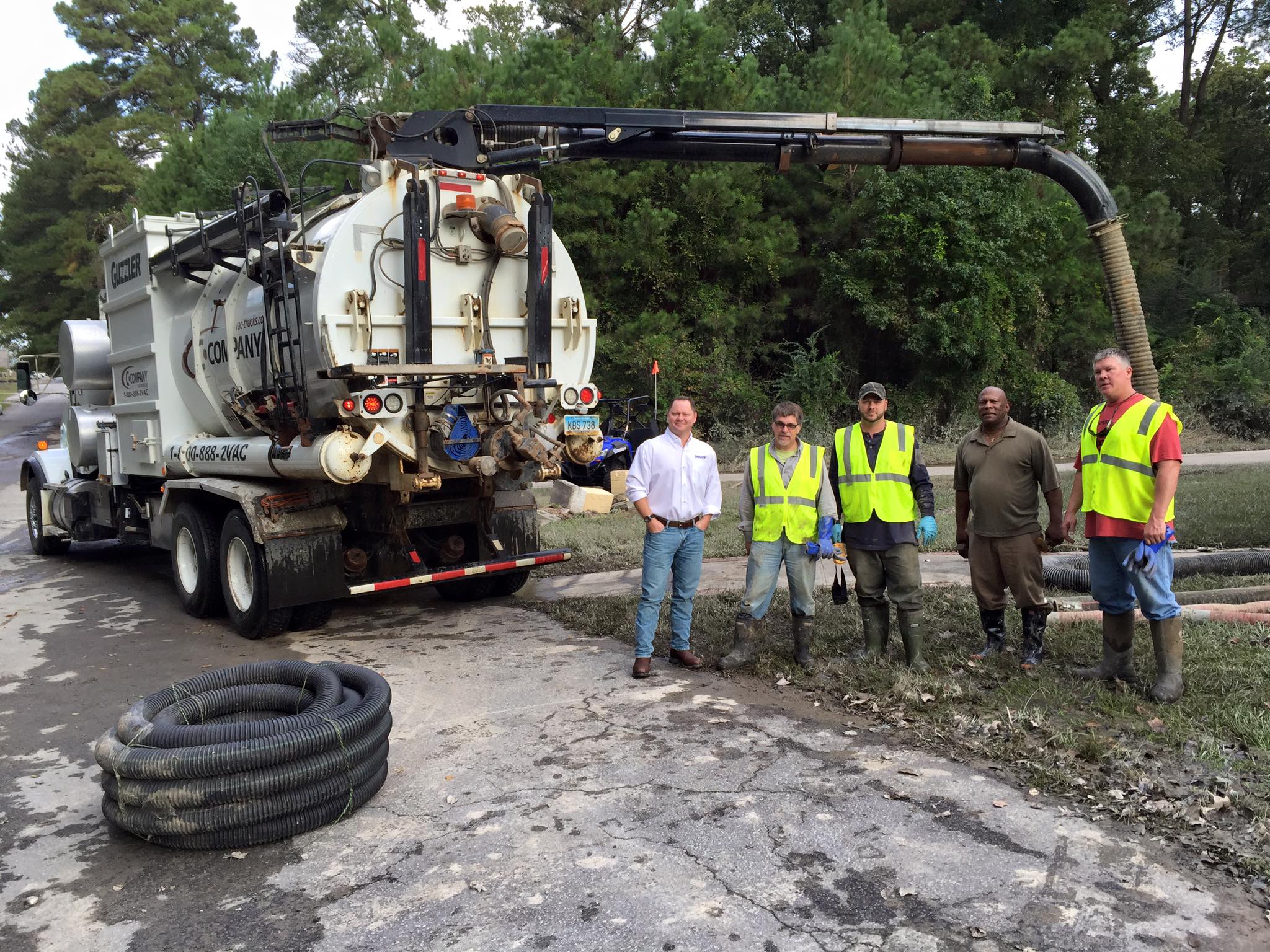
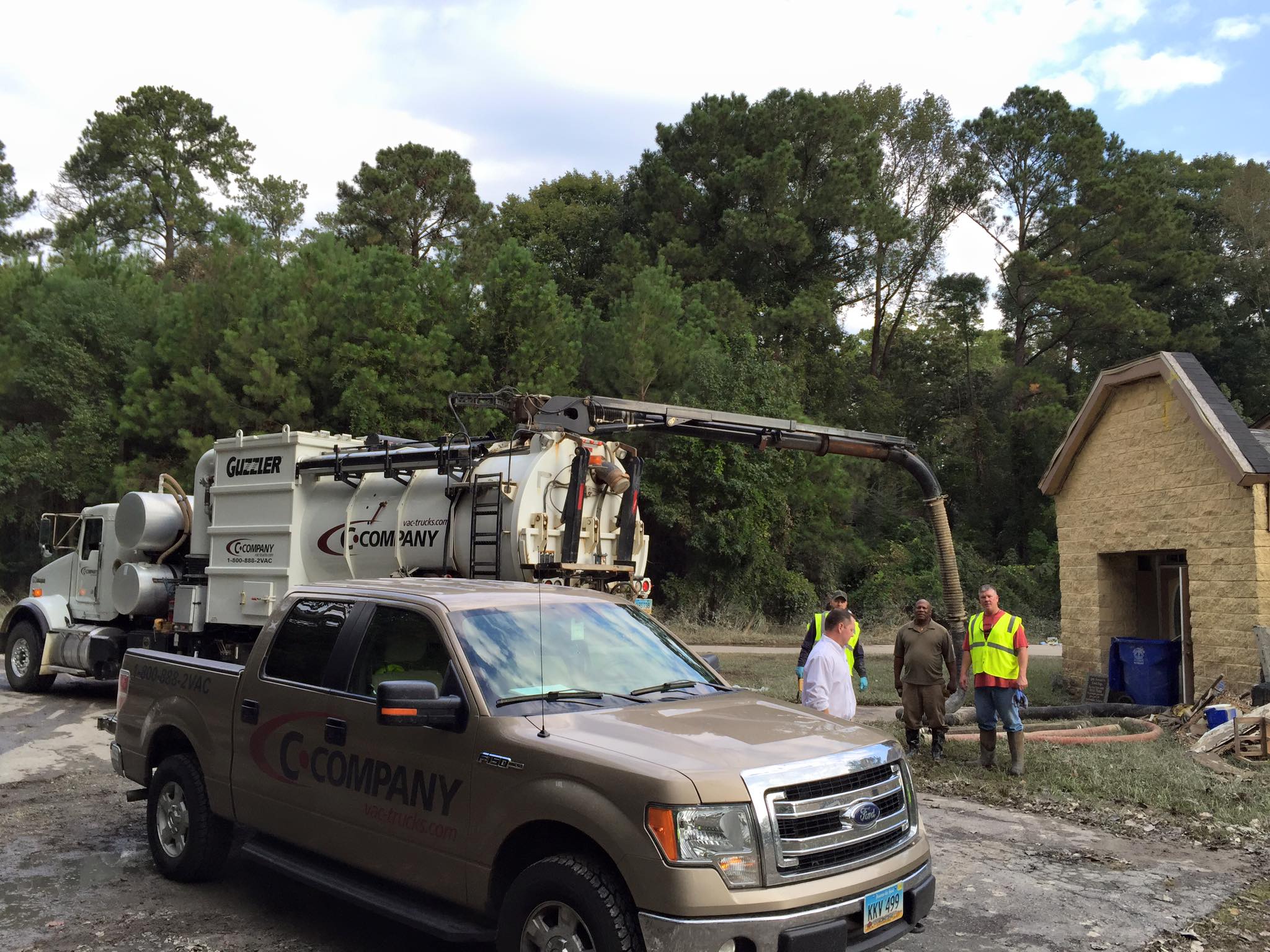
Since arriving in South Carolina to help with flood damage repair efforts, Seth Church and the three other crew members of C Company have been at work helping both nonprofits and businesses.
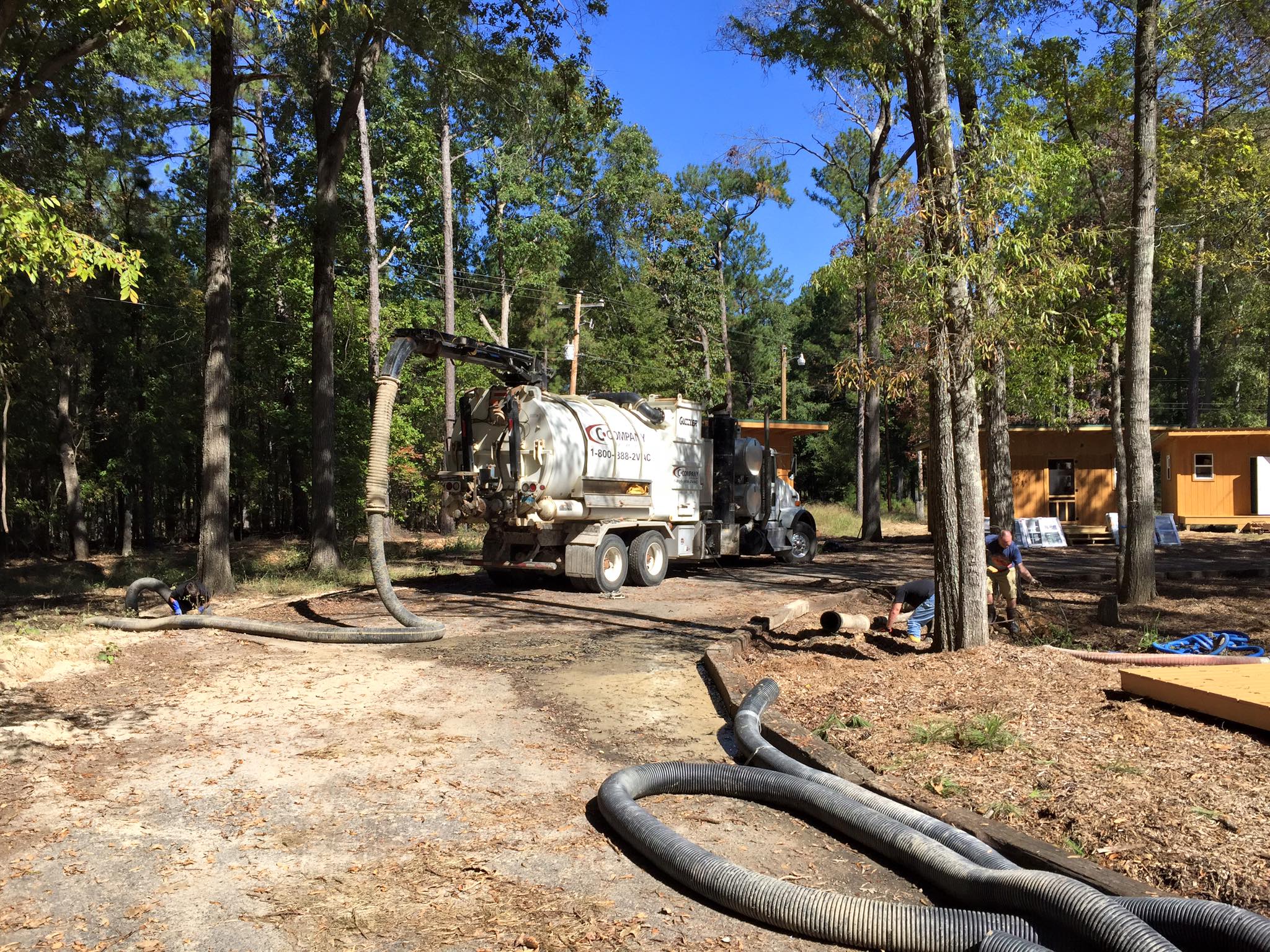
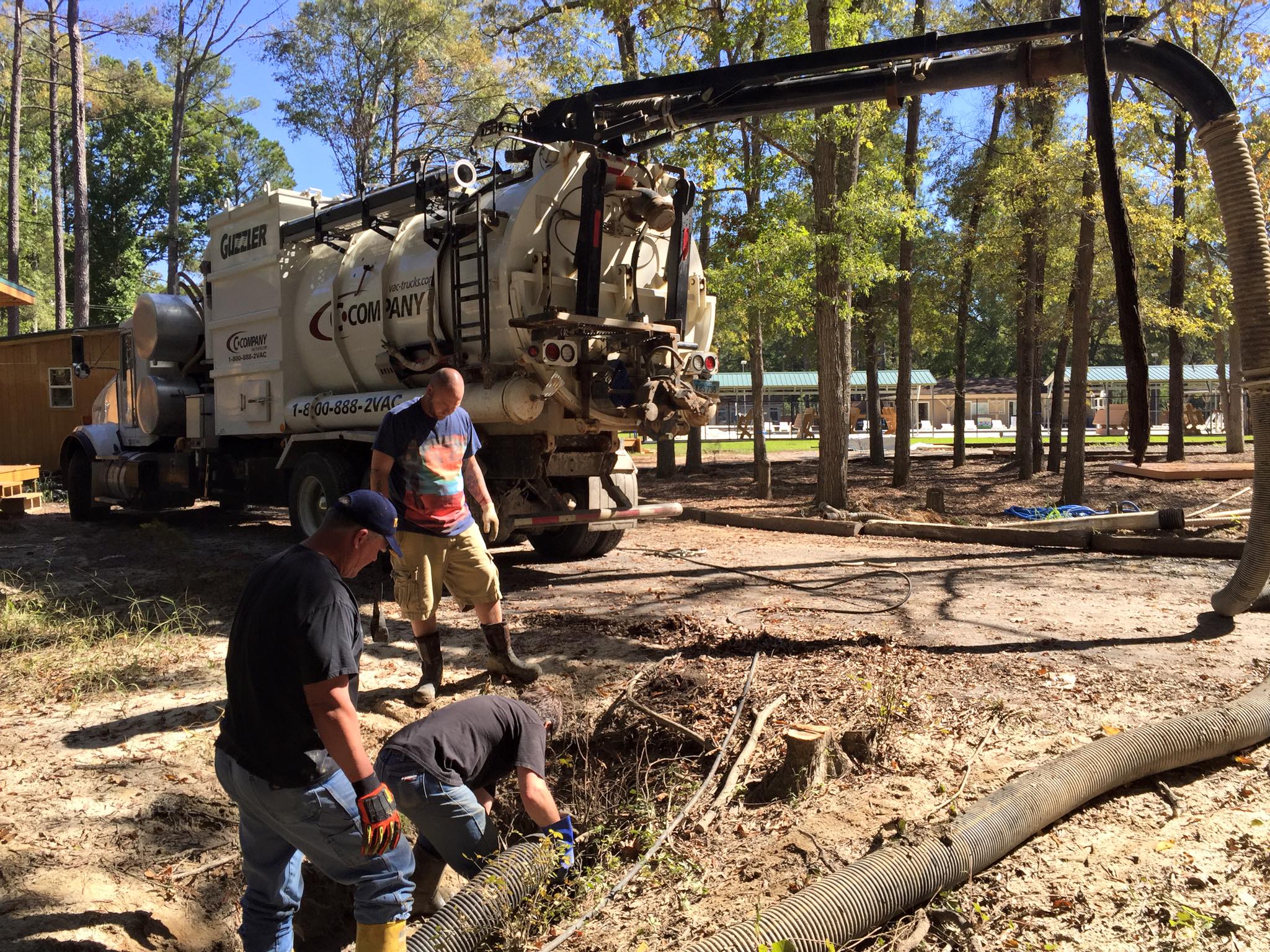
“Today we were at a youth shelter, helping them get some drainage taken care of by cleaning out the culvert,” says Church, managing member of the North Dakota-based hydroexcavation company. “We’ve helped out private places too. It’s just been great being able to help in the community some.”
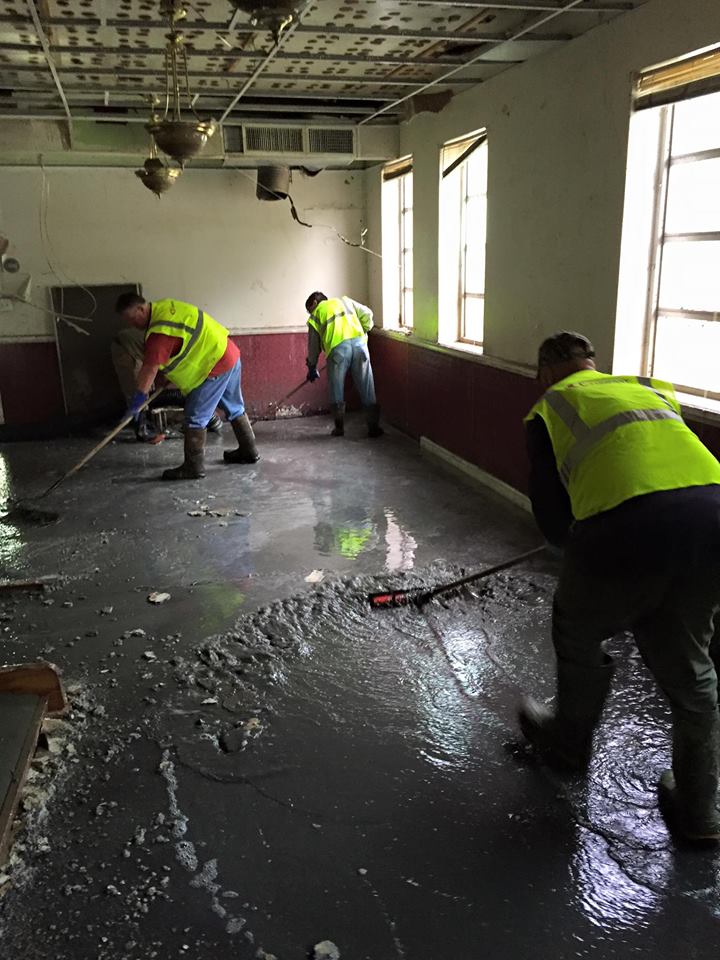
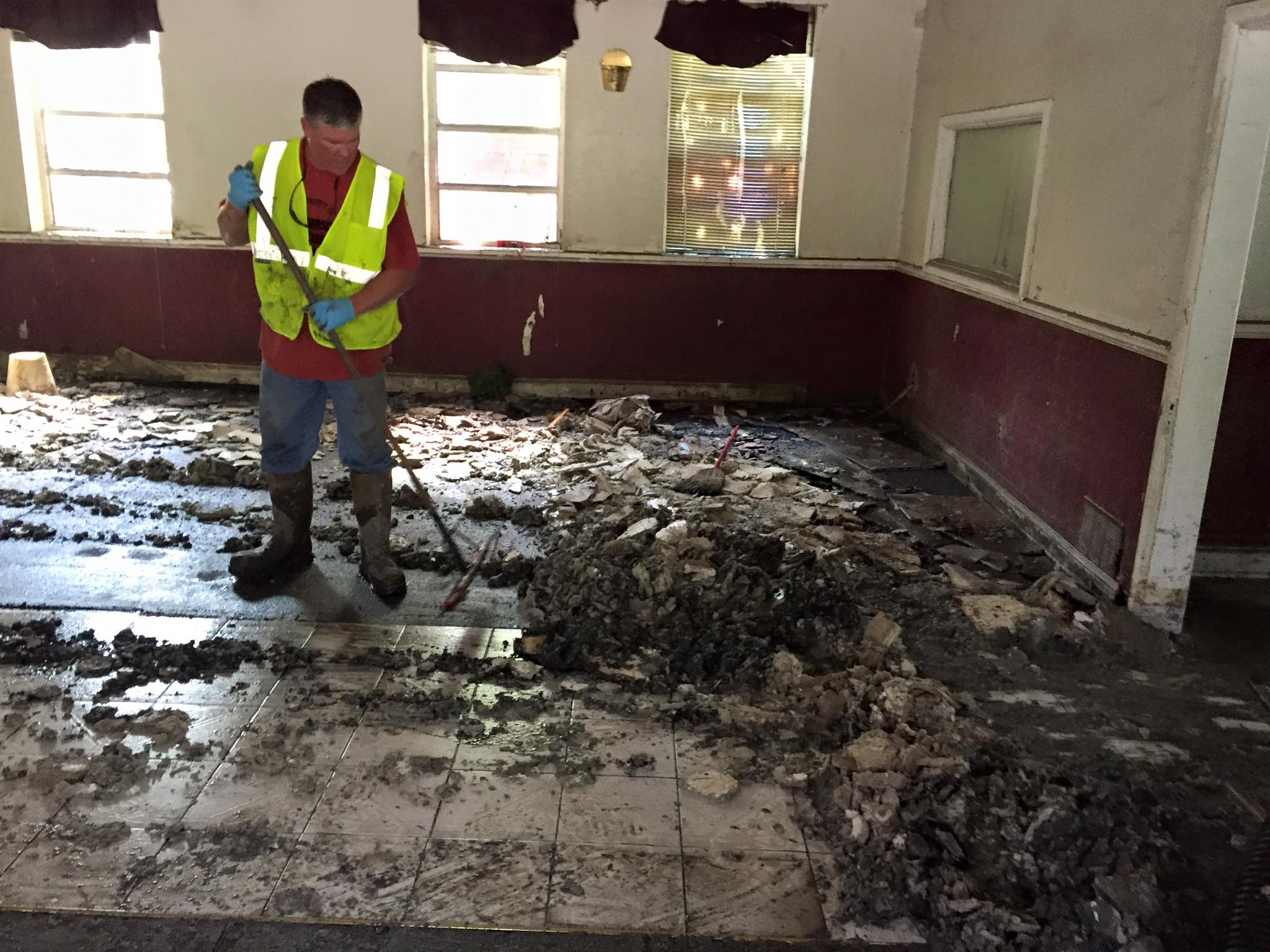
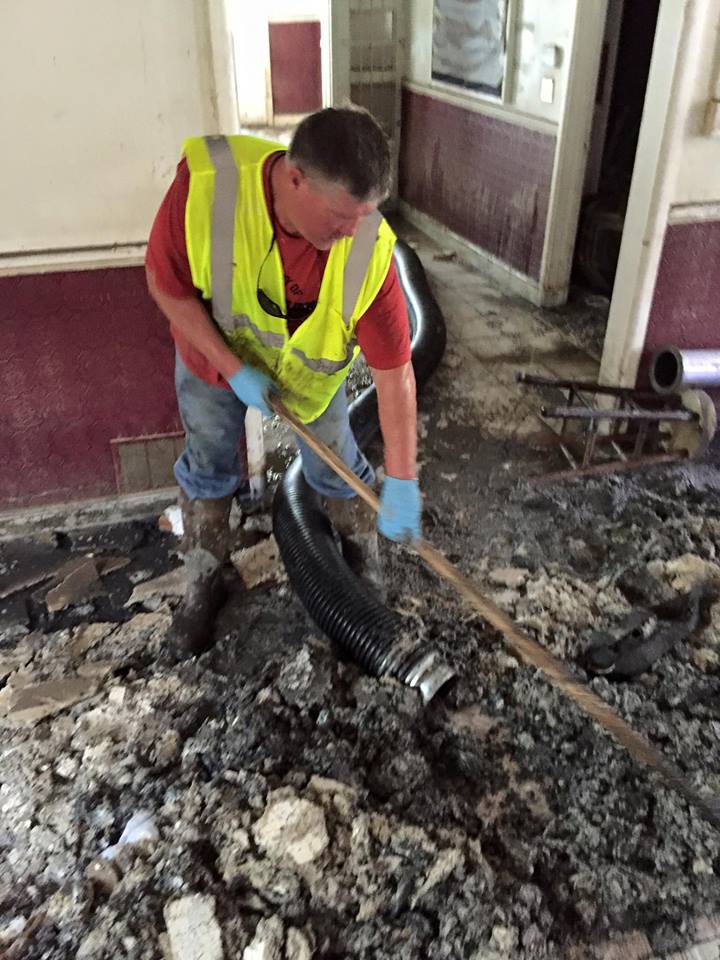
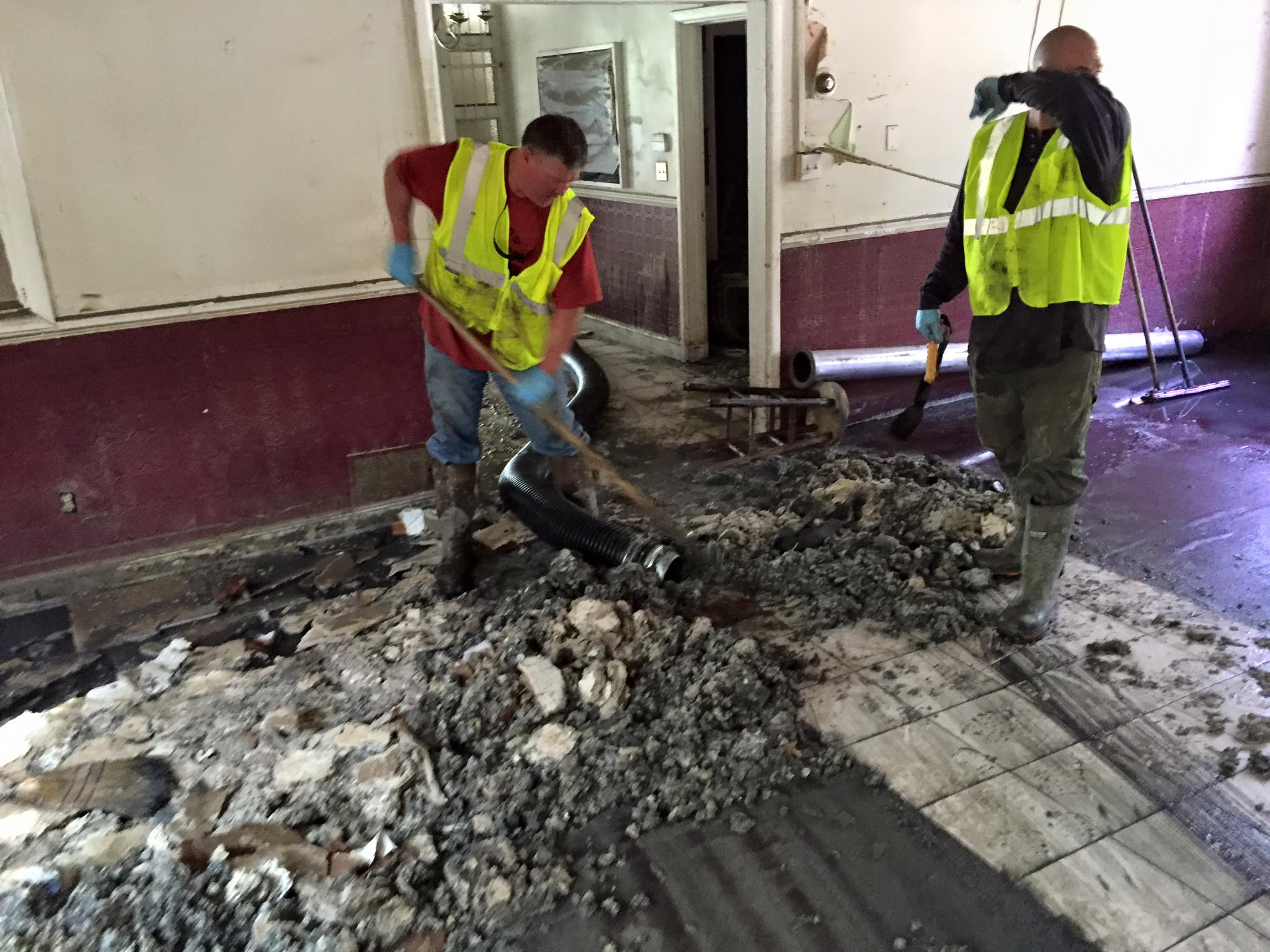
The four-man crew from C Company spent most of Thursday working at the youth shelter and earlier in the week had been helping clean-out a church that was heavily damaged in the flooding that hit the Columbia area of the state in recent weeks.
SEEING DAMAGE
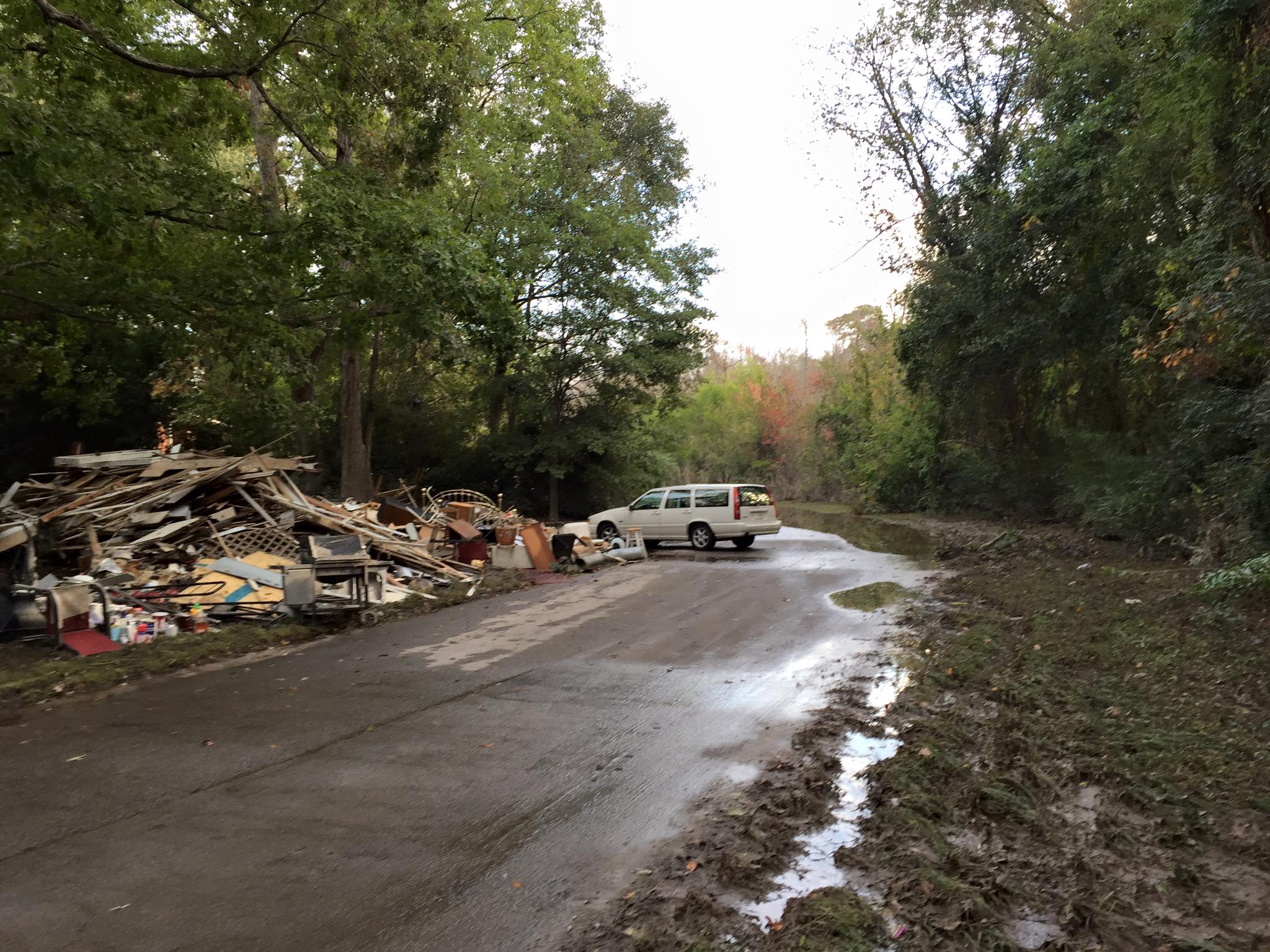
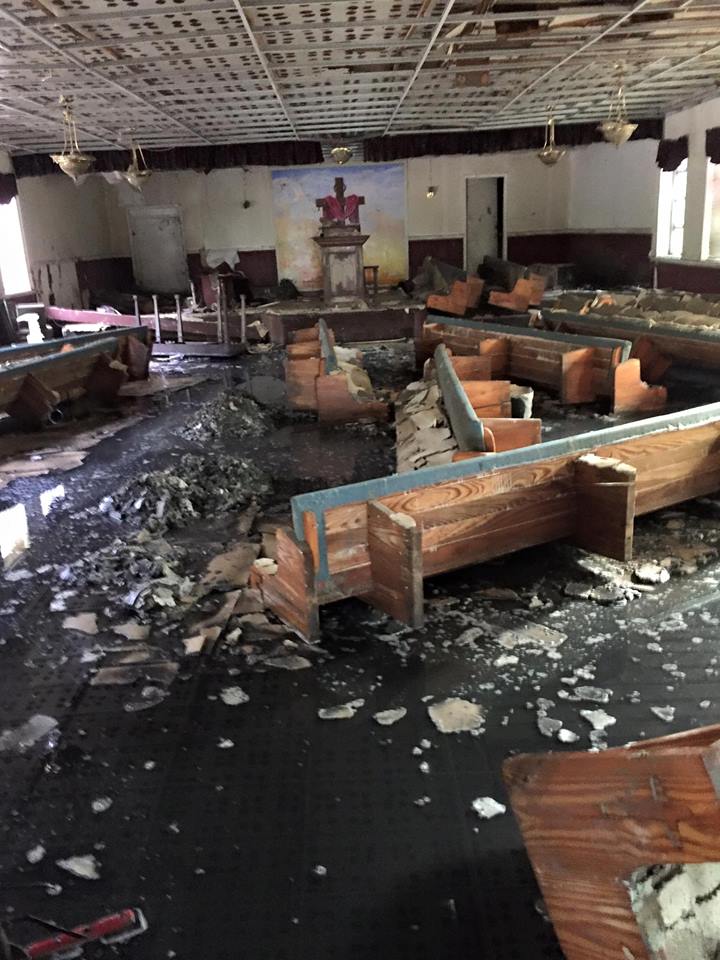
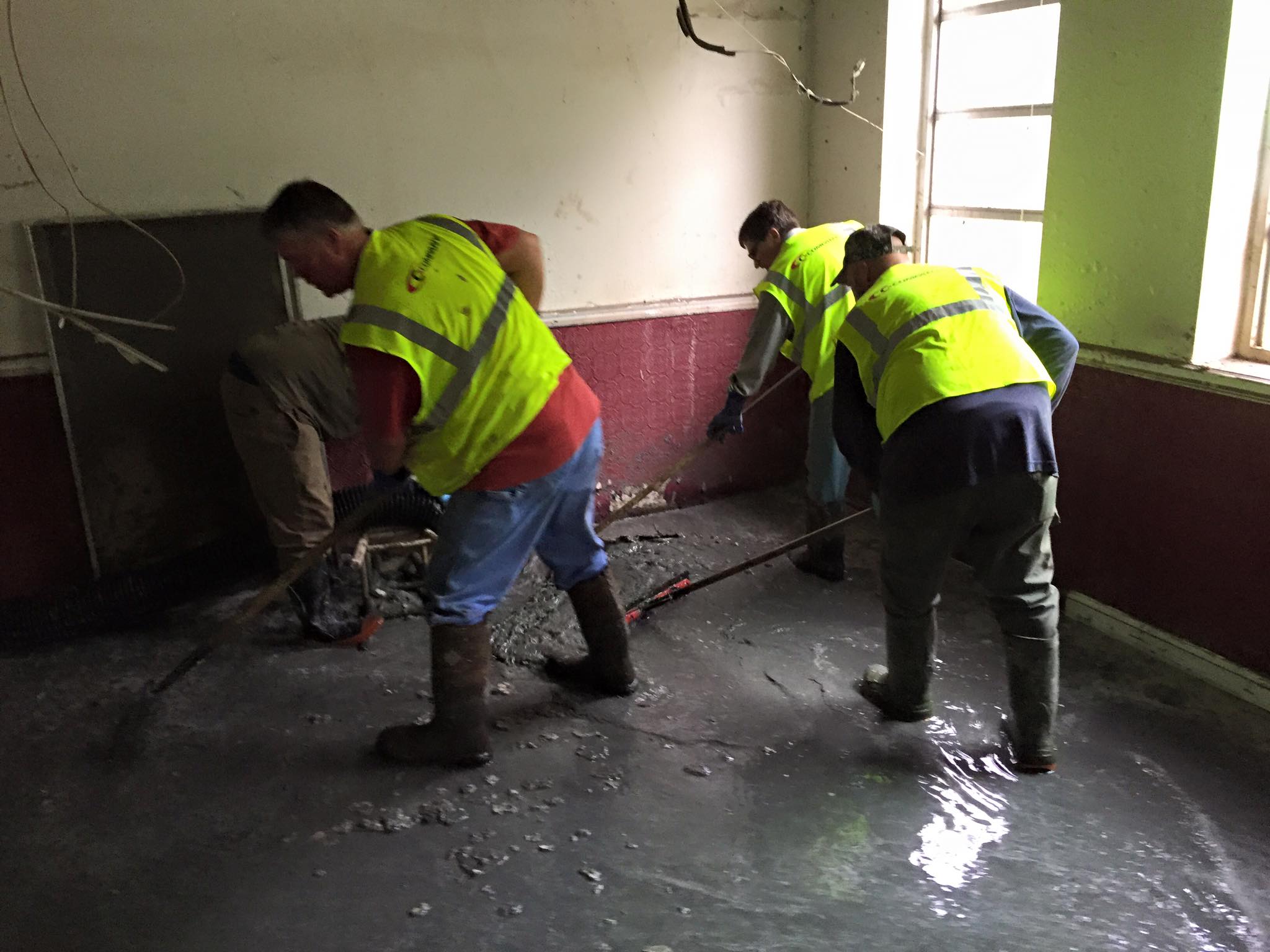
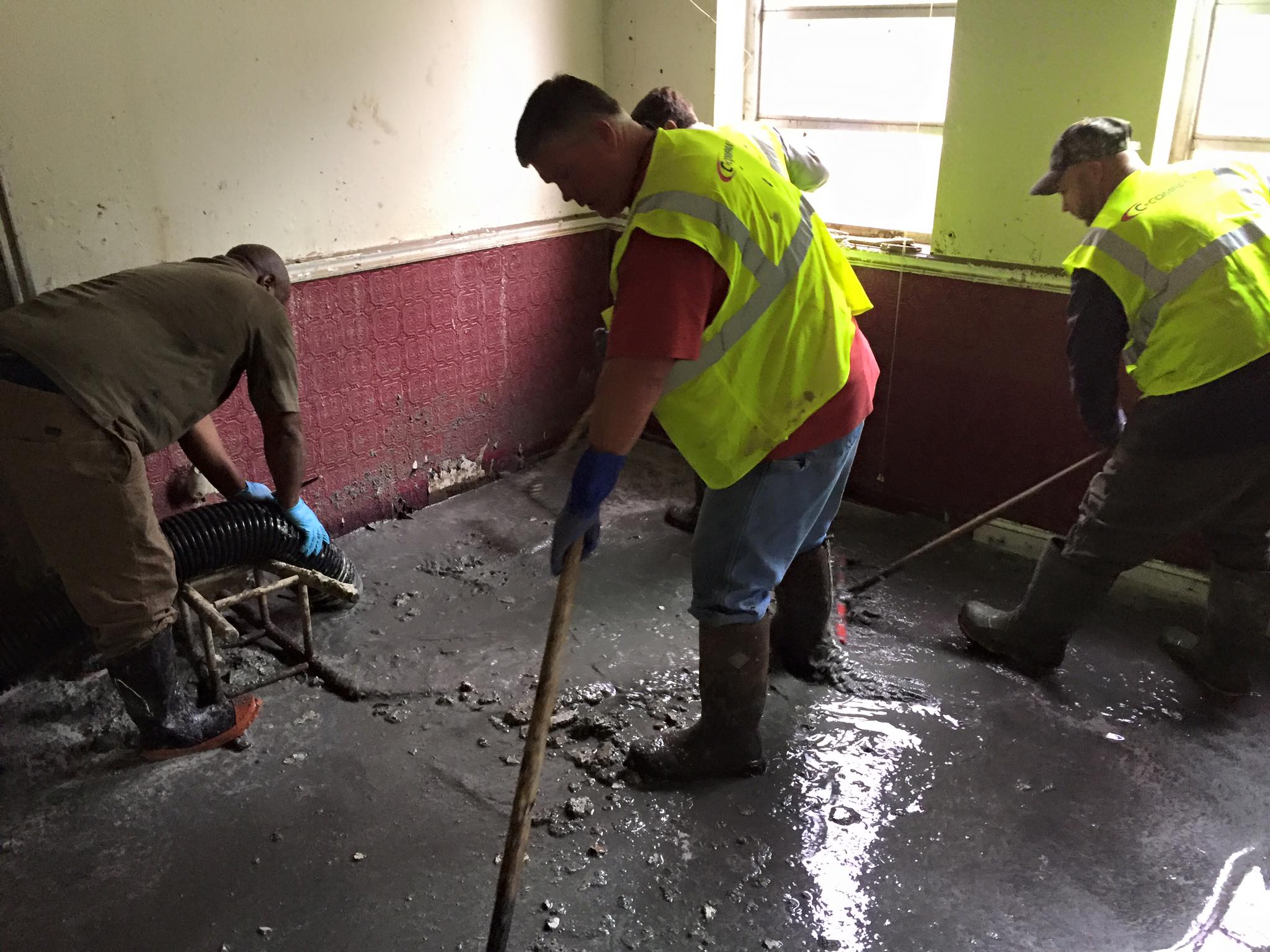
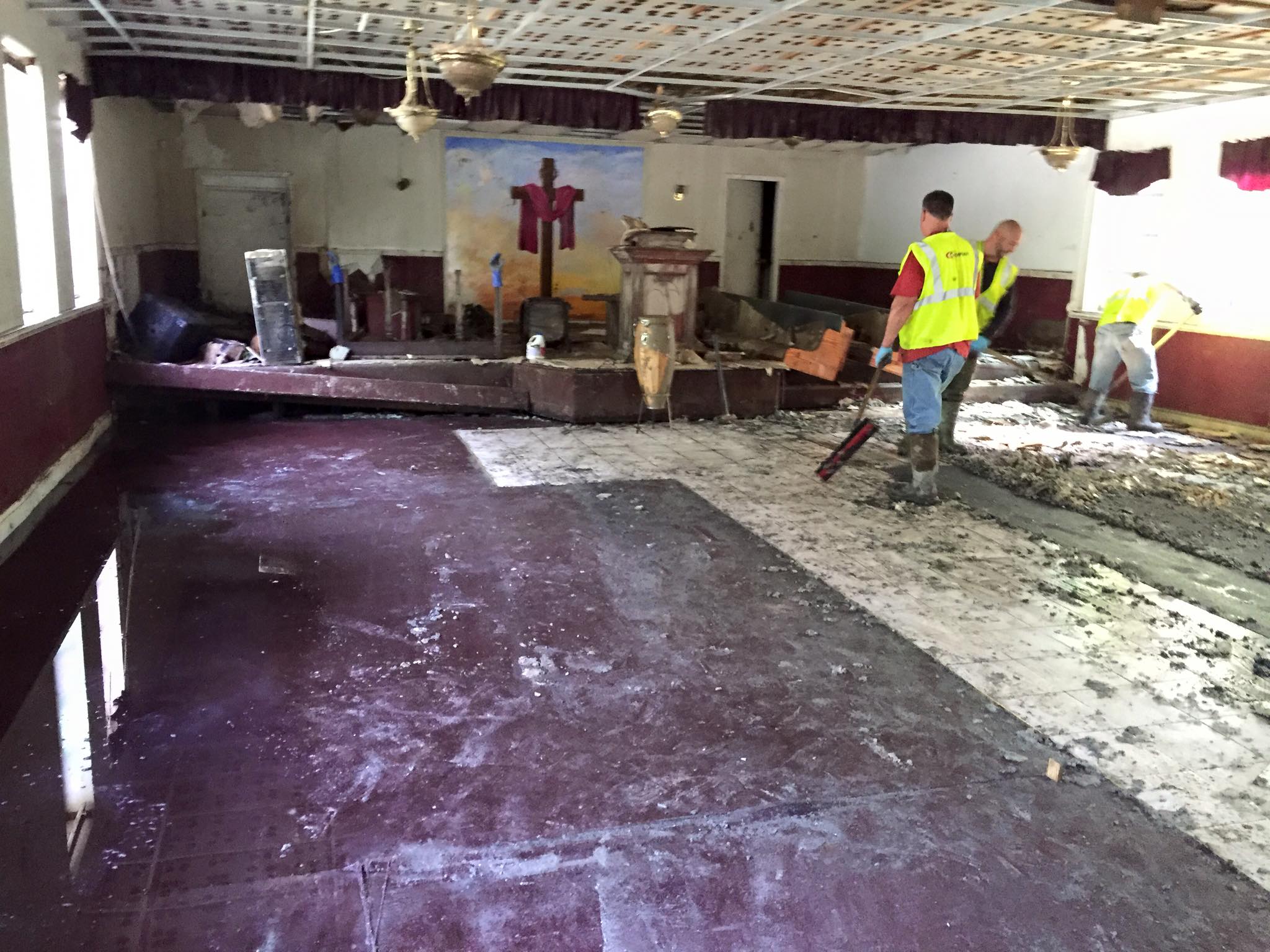
The first job C Company was able help out with when arriving in South Carolina was the clean-out of a church in Columbia that had suffered severe flood damage and still had debris and water in the building.
“We cleaned out in two hours what would have taken regular cleanup crews five days to do,” Church says. “What we’ve done mainly is volunteer for places that don’t have money and might need help.”
The church had been completely submerged under water, according to pastor Leonard Williams of Agape Family Outreach Center.
“It totally flooded out all the way up to the ceiling on the inside, and it totally destroyed everything that was in our music room, our pews, ceiling tiles, and all of that,” Williams says. “Everything in the building was destroyed. I was devastated.”
Williams was happy with the help the church received from C Company and other individuals stepping in. “No matter what, in a time of crisis, people have a way of putting aside their differences and coming together and work for a common cause,” Williams says. “That’s the beauty of the whole thing, just seeing that happen.”
PROMOTING SAFETY
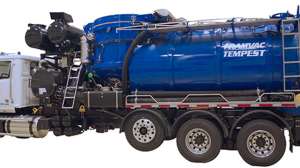
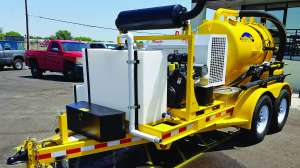
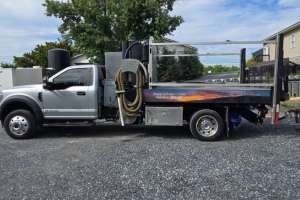
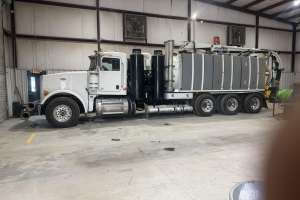
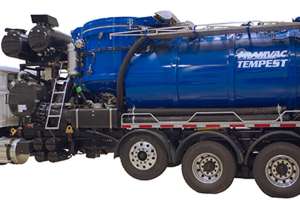
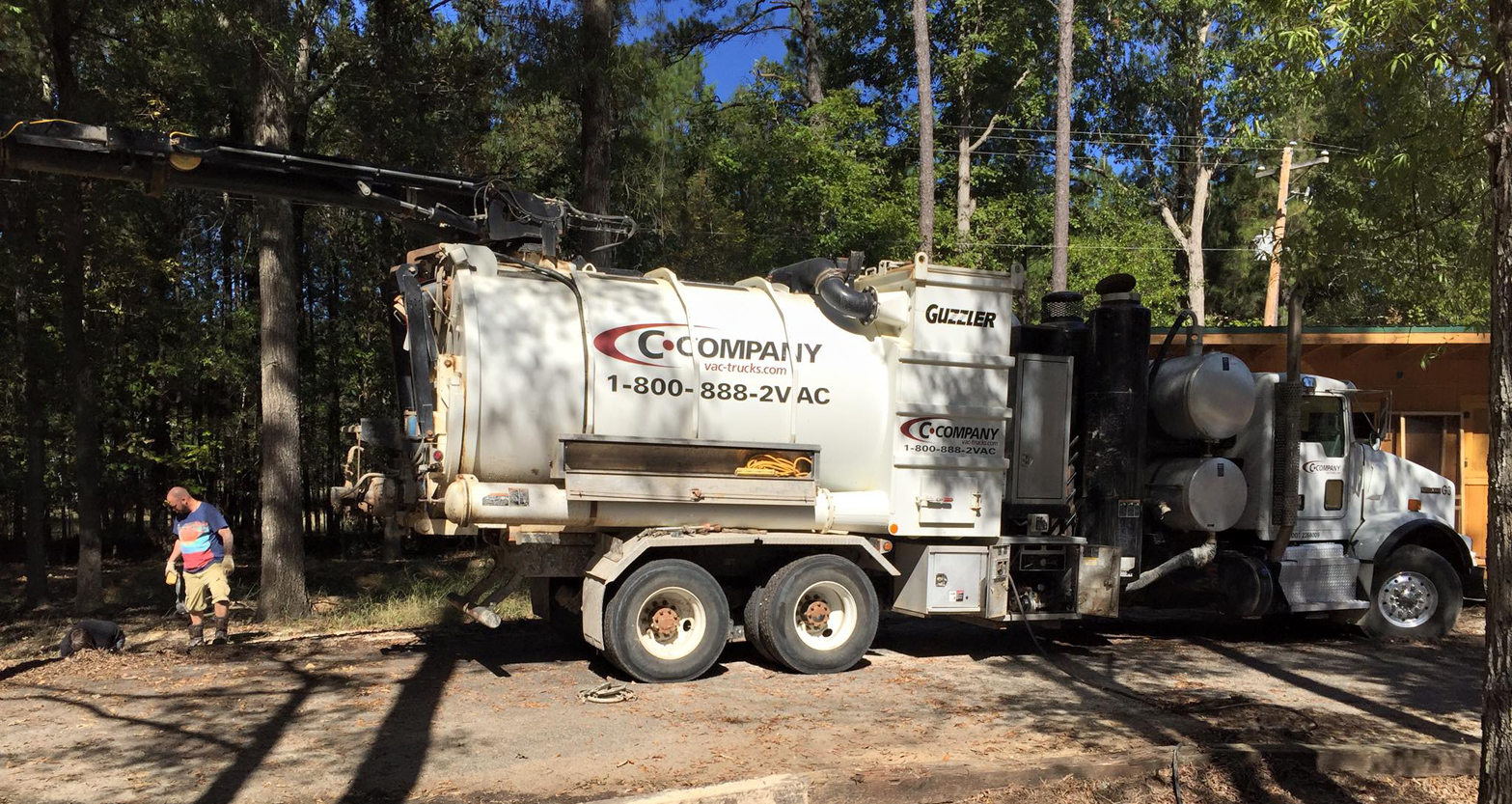
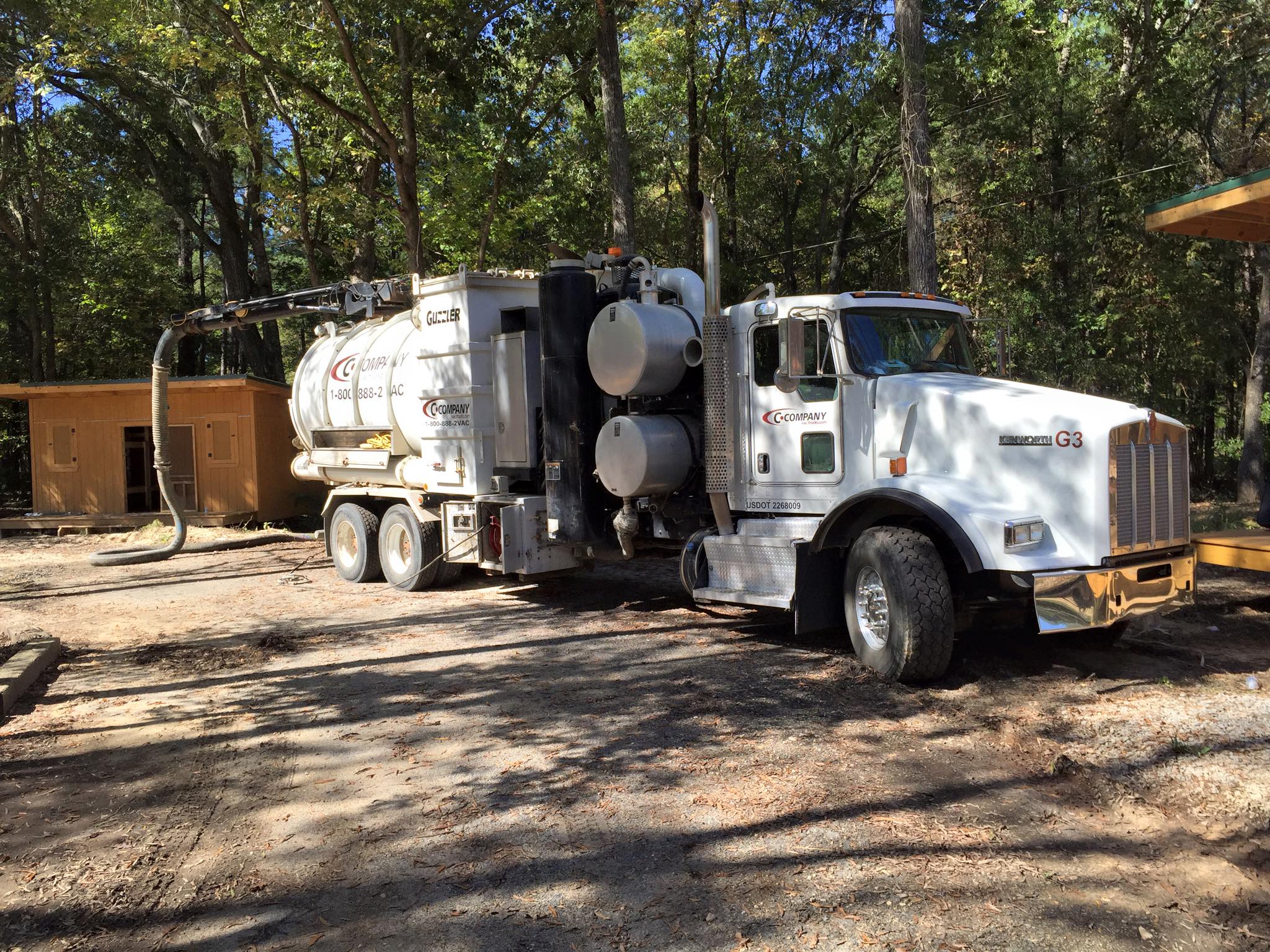
Throughout the week, several contractors and municipalities have seen C Company working and have often asked what the equipment is — many in that region have not seen hydroexcavation equipment before.
“The municipalities know what a (Vactor) 2100 is, but they’re not very knowledgeable with hydrovacs and their use to locate lines,” Church says. “They really use them just for cleaning out sewers and stuff like that. There’s very little awareness of hydroexcavation and what it is.”
Church says he hasn’t seen any hydroexcavators on the area roads besides his own, so now he’s taking his word to area contractors.
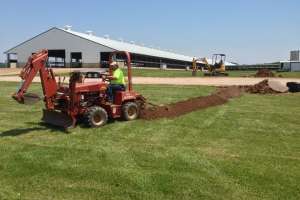
"We’re reaching out to some of the contractors in the area so we can assist with trying to educate the market on safe digging practices, rather than just using the backhoe,” Church says. “We believe we can help the communities and show them the value of this kind of equipment.”
Church says the reason he went into this business was to save lives, something all hydroexcavation operators should be doing.
“Let's be honest, our company is in the safety business and anybody who thinks differently might be in it for the wrong reason,” Church says. “The reason that we’re into hydroexcavation is so that we can save lives by not hitting lines and reduce the risk of killing people or damaging infrastructure.”
LONG-TERM FUTURE
One of the crew members in South Carolina with Church is a native of Columbia, while another lived in that area in the past and the third is a native of northern Florida.
“We’re excited to be able to assist and help these people,” Church says. “We’re proud of being a part of this.”
However, Church notes, the company has a long-term future in the area now and doesn’t foresee crews leaving for a while.
“We believe there is a huge market here where we can assist in the education and helping reduce risk,” Church says. “We’re going to be out here for the long term.”
Continue reading for free