
Choosing the right personal protective equipment can be a complex task, as it requires considering various factors such as the specific work environment, the nature of the hazards and the individual needs of the employees.
PPE plays an integral role in workplace safety, so choosing the right king is essential for maintaining a safe work environment. There are several reasons why this decision holds such importance.
Proper PPE selection helps shield workers from exposure to various occupational hazards, such as physical, chemical or biological threats. This protection can prevent injuries, illnesses and even fatalities. Essentially, it ensures the overall well-being of the workforce.
Employers also are legally required to provide appropriate PPE and ensure its proper use. Selecting the correct PPE helps organizations comply with relevant safety standards and regulations. The right PPE means avoiding potential fines or legal consequences.
And when employees feel secure and protected, they can focus on their tasks without the distraction of safety concerns. This can lead to increased efficiency, reduced absenteeism and improved overall productivity.
Providing the right PPE demonstrates an employer's commitment to workplace safety. This can help mitigate the risk of liability claims and lawsuits in the event of an incident or accident.
Exploring the range of PPE
Let's explore the different types of PPE and their specific uses.
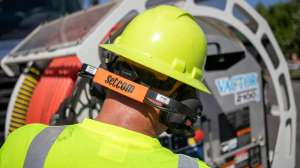
- Head protection: Hard hats, bump caps and welding helmets protect the head from impact, falling objects and electrical hazards. They are essential in construction, mining and other industries with overhead dangers.
- Eye and face protection: Safety glasses, goggles and face shields protect the eyes and face from flying debris, chemical splashes and intense light. They are vital for workers in manufacturing, laboratory, and welding environments.
- Respiratory protection: Respirators, masks and air-purifying devices safeguard the respiratory system from airborne contaminants, such as dust and fumes.
- Hand and arm protection: Gloves and sleeves shield the hands and arms from cuts, abrasions, chemical exposure and temperature extremes. These are essential for workers handling sharp tools, hazardous materials or hot surfaces.
- Foot and leg protection: Safety shoes, boots and leggings protect the feet and legs from falling objects, rolling machines and chemical spills. These are essential in construction, manufacturing and material handling industries.
- Body protection: Coveralls shield the torso and entire body from chemical splashes and abrasions.
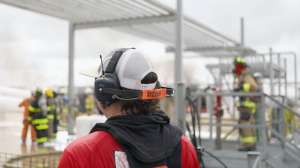
- Hearing protection: Earplugs and earmuffs protect the ears from excessive noise levels that can cause hearing damage over time. It’s essential to choose the right type of hearing protection for workers in noisy environments like construction sites.
- Fall protection: Harnesses and lifelines prevent workers from falling from heights. They are crucial for employees working on scaffolding or other elevated surfaces.
- High-visibility apparel: Reflective vests, jackets and pants enhance worker visibility in low-light conditions or busy work environments.
To effectively select PPE, employers should follow a few essential steps.
The first step is to identify potential hazards in the workplace through a comprehensive hazard assessment. This involves analyzing job tasks and equipment to determine the specific risks employees face.
Once the hazards have been identified, employers must select PPE that can provide the appropriate level of protection against those risks. This may involve choosing specific gloves, suits or other equipment based on the nature of the hazard.
Different industries have varying PPE requirements set by regulatory bodies such as OSHA. Employers must ensure the PPE meets the applicable standards for their industry and complies with local, state and federal laws.
PPE that fits well and is comfortable to wear will encourage employee use and ensure adequate protection. Employers should consider the climate and ensure compatibility in case different PPE will be worn together.
Workers who will be wearing the PPE should be involved in the selection process, as they have firsthand knowledge of the specific challenges in the workplace. Their input can help ensure the chosen PPE is well-suited for the job.
Maintaining and inspecting PPE
Maintaining and regularly inspecting PPE is crucial to ensuring its continued effectiveness. Implement a regular inspection schedule, such as before each use, monthly, or in accordance with the manufacturer's recommendations. This will help you identify any wear, damage, or deterioration early on.
Carefully examine each piece of PPE for signs of wear, such as cracks, tears, discoloration or deformation. Pay close attention to critical components like straps, buckles, and seals.
Ensure that all moving parts, such as adjustments and closures, are working properly. For respiratory protection, check the fit and seal to confirm they are functioning as intended.
Clean and disinfect PPE as per the manufacturer's instructions, using appropriate cleaning agents and techniques. This helps maintain the integrity of the materials and prevent the spread of contaminants.
Store PPE in a clean, dry, and temperature-controlled environment, away from direct sunlight, chemicals and other potential hazards. This will help extend the lifespan of the equipment.
Immediately replace any PPE that shows signs of significant wear or damage. Do not attempt to repair or modify PPE, as this can compromise its protective capabilities.
About the author: Nick Warrick is the sales manager at All Seasons Uniforms. With over 15 years of experience in the work uniform business, he has worked with over 100 clients across 20 different industries. Holding bachelor’s degrees in both business administration and information technology, Warrick revamped the company’s online presence, offering its customers a new uniform shopping experience.
Continue reading for free