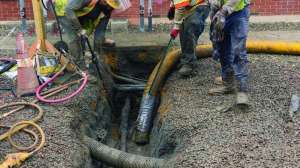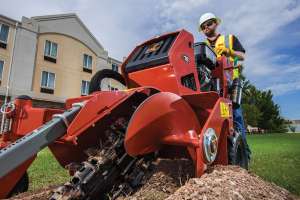
Establishing a safe working environment requires every employer — big and small — and every employee to make safety a top priority. The entire workforce, from the CEO down to the laborer, must recognize that worker safety is central to the business.
Safety measures only keep you safe if you follow them 100 percent of the time. Accidents are often the result of shortcuts, of failing to take simple steps to protect yourself to save a little time. The industry is filled with stories of people who tried to save a few minutes and ended up losing their lives. And if you push your employees to get jobs done faster than safe practices allow, there’s a good chance you could lose your business, too.
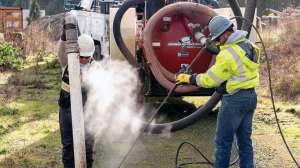
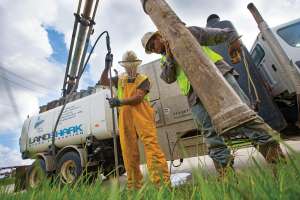
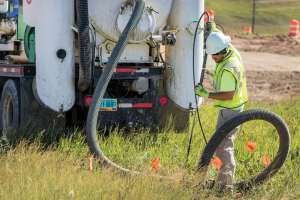
Landshark Hydro-Excavation, featured in this issue, is a company that has a big focus on safety. It all starts at the beginning when a new crew member is hired. Employees develop a thorough understanding of the equipment, adapting to different job site situations, and even how to work in different soil types.
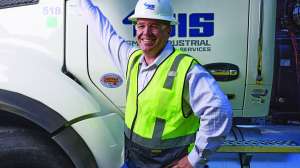
Ken Sugawara, CEO of the Texas-based company, says the well-trained force is focused on safety. He and his field managers are out there interacting with the crews and making sure protocol is being followed every step of the way. In fact, the company can boast about a true 0.0 TRIR (total recordable incident rate) with OSHA.
SAFETY CLOTHING
Safety doesn’t only include acting safe or working in a safe manner on the job site, it also means dressing safely for the work you are doing. Hard hats are a given, but how about other items you might not think about?
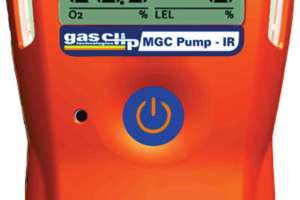
Our Safety First feature this month focuses on several wearable safety devices that have come on the market thanks to the advances in technology: Devices that warn the worker that he is lifting the wrong way, or remind him to lift the right way, those that illuminate your job site without having to carry around bulky flashlights, and badges that pinpoint where a worker is on a job using GPS.
You can find a recap of these devices in this month’s issue, but you can also find more detailed stories about them on our website at www.digdifferent.com.
COMING UP WITH YOUR OWN SAFETY PROGRAM
It’s not hard to develop your own safety program. Just do a simple search on our website or on Google and you’re bound to find some simple tips and steps of setting up a safety program at your company.
Here are some things to consider when setting up the program:
- Post the company’s written safety policy for all to see.
- Involve the employees in policymaking on safety issues. They are the ones out in the field and can provide valuable input.
- Take an active part in safety activities. As CEO, devote some time once a week or every other week to check out job sites as your crews are working and make sure they are following protocol. If they are, reward them.
- Hold meetings that focus on employee safety. These should be done weekly. They can be as simple as reminders about wearing hard hats to more in-depth training sessions.
- Show your commitment by investing time, effort and money in your safety program. Create reward incentives or hire a safety manager to show you are serious about it.
IS YOUR COMPANY SAFE?
I’d like to hear about your company’s safety program or ways you are keeping your crews safe. Email me at editor@digdifferent.com or call me at 800/257-7222.
Enjoy this issue!
Continue reading for free