As winter recedes and spring takes hold, utility work enters a season of opportunity — and challenges. The arrival of warmer temperatures brings softening ground, increased moisture and an unpredictable mix of thawed and frozen soil. These conditions demand careful planning and precise excavation techniques to maintain efficiency and safety on the job site.
Hydroexcavation is a critical tool in utility work, allowing crews to remove soil with minimal disruption to underground infrastructure.
With spring conditions in mind, here are six essential tips for maximizing efficiency and maintaining safety when tackling utility projects this season.
DEVELOP A DETAILED PLAN
Preparation is key to the success of any excavation project, but it becomes even more critical in spring when soil conditions can be highly variable. The combination of excess moisture, debris and potential frost layers can create unexpected obstacles.
Before starting a project, assess the following factors:
- Soil type: Different soil compositions — clay, silt, sand or a mix — react differently to hydroexcavation. Wet sand is easier to remove than compacted clay while frozen layers beneath thawed surfaces may require additional effort.
- Water content: Spring’s increased rainfall and snowmelt can lead to unstable ground conditions, making it essential to adjust excavation techniques accordingly.
- Site drainage: Ensure proper drainage to prevent pooling water from interfering with the excavation process.
Having contingency plans for changing conditions will keep projects on schedule and mitigate costly delays.
BE PREPARED FOR HIDDEN FROZEN GROUND
While surface layers may appear thawed, underlying soil can still be frozen, especially in areas that experienced deep winter frost. This can make excavation more difficult and necessitate the use of heated water to break through hard ground.
Hydrovac units with onboard water heaters allow crews to maintain optimal water temperature for cutting through stubborn frost. Operators should also monitor soil temperature throughout the day as conditions can shift rapidly with fluctuating spring temperatures.
UNDERSTAND YOUR DEBRIS CAPACITY
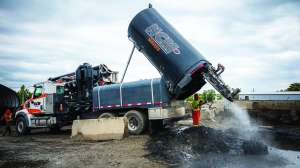
Spring brings an influx of wet, heavy material, from mud and slush to saturated soil. This can quickly fill up debris tanks, affecting productivity if trucks reach capacity too soon. Hydrovac trucks come with debris tanks ranging from 5 to 15 cubic yards, so knowing the volume of expected material can help determine whether multiple trucks are needed or if frequent emptying is required.
Operators should also consider a plan for regular debris dumping to keep the excavation process moving smoothly.
It’s also important to note that wet debris is significantly heavier than dry soil, so monitoring load weight is crucial to avoid exceeding truck limits.
CHOOSE THE RIGHT VACUUM SOURCE
Two main vacuum systems power hydroexcavation: fan systems and positive displacement blowers. Each offers unique benefits, but in wet spring conditions, PD blowers often prove more effective.
Fan systems provide high airflow and are efficient for moving light, dry material over short distances. PD blowers generate stronger suction power, making them ideal for heavy, wet debris and long-distance material transfer — critical advantages for spring excavation work.
PRIORITIZE SAFETY PROTOCOLS
Hydroexcavation is widely regarded as a safer alternative to traditional digging methods, as it significantly reduces the risk of damaging underground utilities. However, safety precautions remain essential, particularly in fluctuating spring weather conditions.
Key safety measures include wearing personal protective equipment such as hard hats, safety glasses, gloves, long sleeves and waterproof boots to protect themselves. Other safety measures include doing a site stability assessment as spring can lead to soft, unstable ground, and doing traffic contour measures by placing proper signage and barriers to protect the team working.
MAINTAIN YOUR EQUIPMENT
Regular maintenance is crucial to keeping hydrovac trucks in peak condition, especially as spring conditions shift. Mud, moisture and debris buildup can affect performance and lead to downtime if not addressed properly.
To extend equipment longevity, clean debris tanks regularly, inspect hoses and nozzles before and after each job, and store equipment in a dry environment at the end of the workday.